Can you use tiki torch fuel to light charcoal
No, you should not use tiki torch fuel to light charcoal. I learned this the hard way—using tiki torch fuel can put your safety and health at risk. TIKI® Brand and other manufacturers warn against it because these fuels release toxic fumes and can cause dangerous flare-ups. Here’s a quick look at what happens when you use the wrong fuel:
Fuel Type | VOC Level (ppm) | Safety Threshold (EPA Max) |
|---|---|---|
Tiki torch fuel | Lowest, but still unsafe and highly flammable | ≤ 15 ppm |
Wood | 69,246.41 | Exceeds safe limits |
Paper | 3,434.54 | Exceeds safe limits |
Breathing in these fumes can cause serious health problems. So, if you ever wondered, “can you use tiki torch fuel to light charcoal,” the answer is a big no. Trust me, your food and your lungs will thank you! 🚫🔥
Can You Use Tiki Torch Fuel to Light Charcoal
No, you should never use tiki torch fuel to light charcoal. I know it might seem like a quick fix, but it’s not safe. TIKI® Brand and other manufacturers say this is a bad idea. They put warnings right on the bottles. I always check the label before I use any fuel, and I see these warnings every time.
Let me break down the main reasons why you should avoid it:
🚫 Why You Shouldn’t Use Tiki Torch Fuel
Chemical Differences
Tiki torch fuel is not the same as charcoal lighter fluid. It often contains paraffin oil or citronella oil. These chemicals are not made for cooking. They can leave weird smells and tastes on your food.Safety Risks
When I ask myself, “can you use tiki torch fuel to light charcoal,” I think about the fire hazards. Tiki torch fuel can cause big, unpredictable flames. Sometimes, it can even explode if you use too much. That’s scary!Health Concerns
Breathing in the fumes from tiki torch fuel is not good for your lungs. These fuels can release toxic smoke. If you cook over charcoal lit with tiki torch fuel, your food can soak up those chemicals. That’s not something I want to eat.
Here’s a quick table to show the differences:
Feature | Tiki Torch Fuel | Charcoal Lighter Fluid |
|---|---|---|
Made for Cooking? | No ❌ | Yes ✅ |
Safe for Food? | No ❌ | Yes ✅ |
Toxic Fumes? | Yes 😷 | No 👍 |
Manufacturer Approved? | No ❌ | Yes ✅ |
Tip: Always read the label before you use any fuel. If it doesn’t say it’s safe for grilling, don’t use it!
So, can you use tiki torch fuel to light charcoal? I say it again—no, you shouldn’t. I know it’s tempting to grab whatever fuel is nearby, but the risks are just too high. I always stick to products made for grilling. My food tastes better, and I feel safer.
If you ever wonder, “can you use tiki torch fuel to light charcoal,” remember these points. Tiki torch fuel is for outdoor lighting, not for your grill. I learned this lesson, and now I always choose the right fuel for the job.
Safety Risks

When I think about lighting charcoal, I always consider the safety risks first. Using the wrong fuel can turn a fun cookout into a dangerous situation. Here’s what I’ve learned about why tiki torch fuel is a bad choice.
Chemical Differences
Paraffin and Citronella Oils
Tiki torch fuel usually contains paraffin oil or citronella oil. These oils help keep bugs away and make torches burn longer. They are not made for cooking. When I tried using this fuel, I noticed a strange smell right away. The smoke felt heavy and made my eyes water. I realized that these oils can leave a sticky residue on the charcoal and even on the food.
Additives Not for Cooking
Manufacturers add chemicals to tiki torch fuel to help it burn brighter and smell better. These additives are not safe for grilling. They can create weird flavors and even make your food unsafe to eat. I always check the label now. If it doesn’t say “safe for cooking,” I keep it far from my grill.
Fire Hazards
Unpredictable Flames
🔥 Lighting charcoal with tiki torch fuel can cause big, wild flames. I once saw a friend try it, and the fire shot up so fast it scared everyone nearby. The flames can get out of control in seconds. Charcoal itself can be risky if not handled right. I read about a case where smoldering charcoal in a shipping container led to a huge fire. The fire spread quickly and needed a whole team to put it out. This shows how dangerous charcoal can be, especially when mixed with the wrong fuel.
Explosion Risk
If you pour too much tiki torch fuel on hot coals, it can explode. The fuel vaporizes quickly and can ignite all at once. I never want to risk burns or a trip to the emergency room. It’s just not worth it.
Health Concerns
Toxic Fumes
Breathing in fumes from tiki torch fuel is very dangerous. Here’s what can happen:
😷 Severe chemical pneumonia and trouble breathing
Persistent cough, chest pain, and feeling tired
Hydrocarbons in the fuel can coat your lungs and cause lasting damage
I learned that even a small amount can make you very sick. The fuel looks like apple juice, which makes it even more risky for kids.
Food Contamination
If tiki torch fuel touches your food, it can make you sick. Poison centers report that children around 2 years old often get hurt by swallowing this fuel. Since 2001, about 18,000 cases of lamp oil exposure have been reported, with some deaths in young children. The fuel can get into your food if you use it to light charcoal. I always store it far from anything I eat or drink. I never put it in a food container, and I use child-resistant caps to keep kids safe.
Note: Always keep tiki torch fuel away from your grill and food. The safety risks are just too high.
What Happens If You Use Tiki Torch Fuel
If you use tiki torch fuel to light charcoal, you will face smoke, bad smells, and health risks. I learned this the hard way. Let me break down what happens right away and what can go wrong over time.
Immediate Effects
Smoke and Odor
The first thing I noticed when I tried using tiki torch fuel was the thick, heavy smoke. It did not smell like a normal barbecue. The air filled with a strange, oily scent that made my eyes sting. My friends started coughing and moved away from the grill. The smoke from tiki torch fuel is much stronger than regular charcoal smoke. It can ruin the mood of any cookout.
😷 Thick, oily smoke fills the air
👃 Strong, unpleasant odor that sticks to clothes and hair
😢 Eyes water and people start coughing
Tip: If you smell something weird or see heavy smoke, step away from the grill right away.
Taste Issues
The smoke and chemicals from tiki torch fuel do not just stay in the air. They get into your food. I took one bite of my burger and tasted a bitter, oily flavor. It was nothing like the smoky taste I love from charcoal. The food tasted so bad that nobody wanted to eat it. Even after cleaning the grill, the weird taste stuck around for a while.
🍔 Food tastes bitter or oily
🤢 Strange aftertaste that ruins your meal
🍗 Even veggies and bread pick up the bad flavor
Long-Term Risks
Inhalation Dangers
Breathing in the fumes from tiki torch fuel is not just unpleasant. It can be dangerous for your health. Over time, the chemicals in the smoke can hurt your lungs and make you sick. I read about how barbecue smoke can cause problems like headaches, nausea, and even long-term breathing issues. Here’s a table that shows some of the risks:
Health/Safety Aspect | Description |
|---|---|
Respiratory Irritation | Barbecue fumes can cause inflammation and allergic reactions in the nose and lungs. |
Carcinogenic Risks | Breathing in these fumes for a long time can lead to cancer in the lungs, nose, and throat. |
Particulate Matter | Tiny dust particles in the smoke can get deep into your lungs and cause damage. |
Chemical Compounds | Gases like nitrogen oxides and carbon monoxide can hurt your body and mind. |
Gas Accumulation | Harmful gases can build up in your body over time. |
Carbon Monoxide Effects | Breathing in carbon monoxide can cause headaches and nausea, and it is very dangerous. |
Residue on Food
The problems do not stop with the air. Tiki torch fuel leaves a sticky residue on the charcoal and the grill. This residue can get onto your food, even if you think the flames have burned it away. I found that the taste and smell can stick around for several meals. Eating food with these chemicals is not safe. Over time, it can make you feel sick and may even cause bigger health problems.
🍽️ Food can absorb harmful chemicals
🧽 Cleaning the grill does not always remove the residue
🚫 Eating contaminated food is risky for your health
Note: I always throw away any charcoal or food that comes in contact with tiki torch fuel. It is not worth the risk.
Alternatives to Tiki Torch Fuel
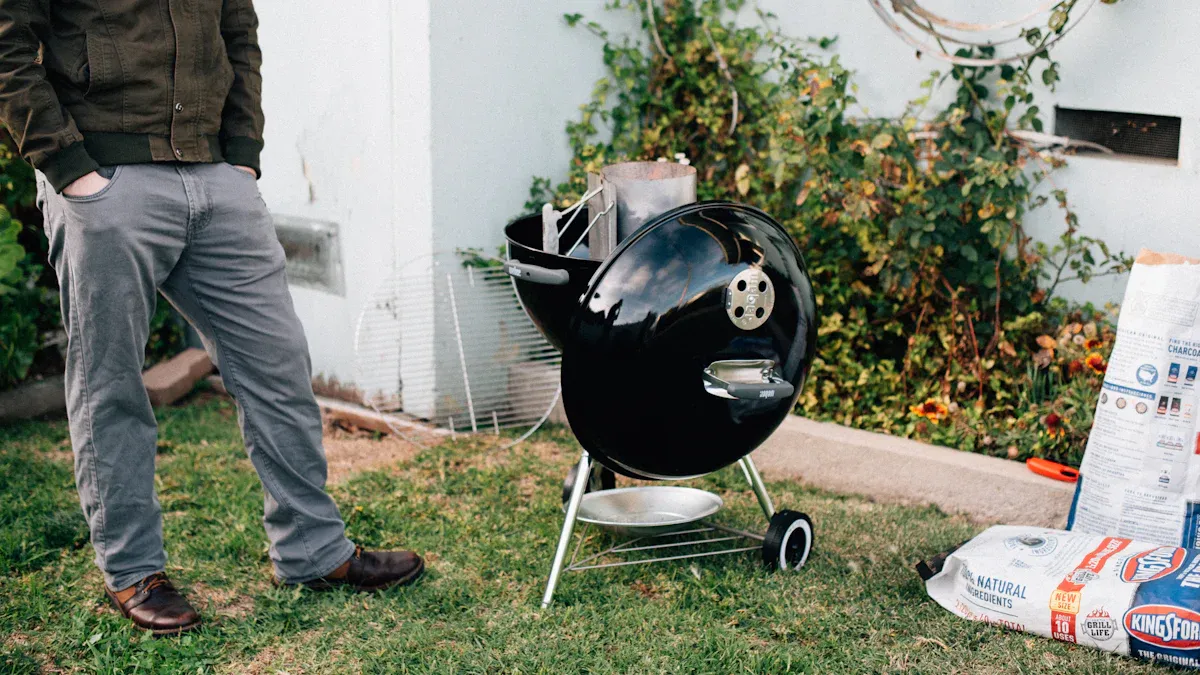
When I want to light my charcoal grill, I always look for safe and easy options. Here are my favorite ways to get the grill going without using tiki torch fuel.
Charcoal Lighter Fluid (Approved)
Yes, you can use charcoal lighter fluid if it’s made for grilling. This is the classic way most people start their charcoal. I always check the label to make sure it says “for charcoal grills.” These fluids burn off quickly and don’t leave a weird taste on my food if I use them right.
How I use it:
I stack the charcoal in a pile.
I squirt a small amount of lighter fluid over the coals.
I wait about a minute for the fluid to soak in.
I light the charcoal and step back.
Tip: Never add lighter fluid to hot or burning coals. That can cause a dangerous flare-up!
Charcoal Chimney Starter
My favorite way to light charcoal is with a chimney starter. I don’t need any lighter fluid or strange fuels. I just use a chimney, some newspaper, and a match. It’s simple and safe.
Here’s why I love chimney starters:
They light charcoal fast and evenly.
I don’t get any chemical smells or flavors in my food.
I help the environment by avoiding extra fuels.
Both beginners and grill masters use them because they work so well.
A lot of people agree with me. Chimney starters have become super popular because they’re affordable and reliable. Restaurants and catering companies use them too. I’ve noticed that stainless steel chimneys last a long time, while aluminum ones are lighter and heat up fast.
How I use it:
I fill the chimney with charcoal.
I put crumpled newspaper under the chimney.
I light the paper and wait about 15 minutes.
When the coals turn gray, I pour them into the grill.
Note: Chimney starters help keep my food tasting great and my cookouts safe.
Natural Starters
Natural starters are another great choice. I like using things like wood wool, paraffin cubes, or even dry twigs. These starters don’t have harsh chemicals, so I feel good about using them around my family.
Some natural starters I’ve tried:
Wood wool firelighters
Paraffin wax cubes (made for grilling)
Twisted paper or cardboard
Small dry sticks
These options light easily and burn clean. I always make sure the package says they’re safe for cooking. Natural starters give me peace of mind because I know I’m not adding any strange fuels to my grill.
Method | Safe for Food | Easy to Use | Chemical-Free | Popularity |
|---|---|---|---|---|
Charcoal Lighter Fluid | ✅ | ✅ | ❌ | High |
Chimney Starter | ✅ | ✅ | ✅ | Very High |
Natural Starters | ✅ | ✅ | ✅ | Growing |
Reminder: TIKI® Brand says their torch fuel is only for outdoor lighting, not for grilling. I always follow this advice to keep my cookouts safe.
Propane Torch
Yes, you can use a propane torch to light charcoal, and it works really well! I love using a propane torch when I want to get my grill going fast. It feels a bit like using a power tool for grilling, and it always impresses my friends. If you have never tried it, let me walk you through why it’s a great option.
Why I Like Using a Propane Torch
🔥 Super Fast: I can light a whole pile of charcoal in just a few minutes. No waiting around for the coals to catch.
💨 No Chemical Taste: Since I don’t use lighter fluid or other fuels, my food tastes clean and smoky, just like it should.
🧑🍳 Easy to Control: I point the torch right where I want the fire to start. I can light just a few coals or the whole pile.
🧹 No Mess: I don’t spill anything, and I don’t have to worry about weird smells or sticky hands.
How I Use a Propane Torch
Here’s my simple step-by-step:
I stack the charcoal in my grill.
I grab my propane torch and make sure it’s filled and ready.
I turn on the torch and aim the flame at the bottom of the charcoal pile.
I move the flame around for about 1-2 minutes until I see the coals start to glow.
I turn off the torch and let the charcoal finish turning gray.
Tip: Always keep the torch pointed away from your body and anything flammable. I never leave the torch on when I’m not holding it.
Safety and Tips
I always use my propane torch outside, never indoors.
I keep kids and pets far away when I’m lighting the grill.
I wear heat-resistant gloves, just in case.
I store the propane canister in a cool, dry place.
Here’s a quick comparison table to show how a propane torch stacks up against other methods:
Method | Speed | Chemical-Free | Easy to Use | Mess-Free |
|---|---|---|---|---|
Propane Torch | 🚀 Fast | ✅ | ✅ | ✅ |
Chimney Starter | Medium | ✅ | ✅ | ✅ |
Lighter Fluid | Fast | ❌ | ✅ | ❌ |
Natural Starters | Medium | ✅ | ✅ | ✅ |
I find that a propane torch gives me the most control and the least hassle. It’s my go-to when I want to skip the wait and get grilling right away.
Note: I never use tiki torch fuels with a propane torch or any other grill method. TIKI® Brand says their torch fuel is only for outdoor lighting, not for cooking or grilling.
If you want a quick, clean, and fun way to light your charcoal, give a propane torch a try. It changed the way I grill!
How to Light the Grill Safely
Lighting the grill safely is easy if you follow the right steps. I always stick to proven methods so I can enjoy my cookout without worry. Here’s how I do it, step by step.
Step-by-Step Guide
Using a Chimney Starter
I love using a chimney starter because it’s simple and doesn’t need lighter fluid. Here’s how I do it:
I crumple up some newspaper and stuff it in the bottom of the chimney.
I fill the top part with charcoal.
I set the chimney on the grill grate and light the newspaper through the holes at the bottom. 🔥
I wait about 15-20 minutes. When the coals turn white-gray, I know they’re ready.
I pour the hot coals into the grill base and spread them out for even cooking.
Tip: I always use heat-resistant gloves when handling the chimney. The metal gets super hot!
Using Approved Lighter Fluid
Sometimes I use lighter fluid, but only the kind made for grilling. Here’s my process:
I stack the charcoal in a pyramid shape.
I squirt a small amount of lighter fluid evenly over the coals.
I wait about a minute to let the fluid soak in.
I light the coals with a long match or lighter. I step back quickly.
I let the coals burn until they’re covered with gray ash before I start cooking.
Warning: I never add lighter fluid after the coals are lit. That can cause dangerous flare-ups.
Safety Tips
I always keep safety in mind when I light the grill. Here are my top tips:
I set up my grill at least 10 feet from my house or anything that can catch fire.
I keep kids and pets away from the grill area. 🐶🚫
I have a fire extinguisher or a bucket of water nearby, just in case.
I open the vents on my grill to make sure there’s enough airflow.
I use a grill thermometer or the hand test to check the temperature.
After grilling, I close the vents and lid to put out the coals. I wait at least 24 hours before throwing away the ashes.
Here’s a quick table to help you remember:
Safety Step | Why I Do It |
|---|---|
Grill 10 ft from house | Prevents accidental fires |
Keep kids/pets away | Avoids burns and accidents |
Fire extinguisher nearby | Quick response to emergencies |
Open vents | Ensures proper airflow |
Wait before ash disposal | Prevents trash fires |
Note: I always clean my grill after each use. This keeps my food tasting great and helps prevent flare-ups.
When I follow these steps, I feel confident every time I light the grill. Safe grilling means more fun and better food for everyone!
If You Used Tiki Torch Fuel by Mistake
What to Do Next
If you realize you used tiki torch fuel on your charcoal, stop cooking right away. I know it can feel stressful, but you can handle it. Here’s what I do if I ever make this mistake:
Put out the fire safely. I close the grill lid and vents to cut off the air. This helps the flames die down.
Do not eat the food. I throw away anything that touched the grill or smoke. The chemicals can make you sick.
Ventilate the area. I move everyone away from the grill and let the smoke clear out. I open windows if I’m near the house.
Clean up spills carefully. If I spill fuel, I soak it up with kitty litter. On concrete, I use a cleaner and more kitty litter. On wood, I use a general cleaner. For carpets, I blot with a white cloth and use dish soap or a citrus cleaner. I always let the area air out.
Keep kids and pets away. I never let children near the grill or fuel. I store all fuels in their original bottles with childproof caps, locked away if possible.
If someone swallows the fuel, do not make them vomit. I call Poison Control or 911 right away. The number for ProPharma is 1-800-308-7141. I keep this number handy just in case.
Note: The Nebraska Regional Poison Center warns that tiki torch fuel looks like apple juice. Kids might try to drink it. Always keep it out of reach and locked up.
Here’s a quick table for what to do if you spill or someone is exposed:
Situation | What I Do |
|---|---|
Spilled on concrete | Kitty litter, cleaner, ventilate |
Spilled on wood | Kitty litter, general cleaner, ventilate |
Spilled on carpet | Blot with cloth, dish soap/citrus cleaner, ventilate |
Someone swallows fuel | Do NOT induce vomiting, call Poison Control or 911 immediately |
When to Discard Charcoal
I always throw away charcoal that has touched tiki torch fuel. I never try to reuse it. The chemicals can stay in the charcoal and make my next meal unsafe. Here’s how I handle it:
I let the coals cool completely. I close the grill and wait at least 24 hours.
I use a metal scoop or shovel to move the ashes and coals into a metal bucket.
I never put used charcoal in the compost or garden. The chemicals can harm plants and animals.
I take the cooled ashes to the trash, following my local rules for disposal.
Tip: If I’m not sure if the charcoal is safe, I always play it safe and toss it. My health and my family’s health come first.
If you ever wonder what to do after using the wrong fuel, remember: safety first, food second. I learned that it’s better to start over than risk getting sick.
Grilling Safety Tips
Fuel Storage
I always store my grill fuels safely to prevent accidents. Here’s how I keep my grilling area safe and organized:
🛢️ I keep lighter fluid in a flammable storage cabinet, far from the grill and any heat sources.
🔒 I store unused charcoal briquettes in an airtight metal container. This keeps them dry and away from sparks.
🚫 I never leave fuel bottles or bags out in the sun or near the house.
🧯 I keep a fire extinguisher or garden hose nearby, just in case.
Tip: I always check that lighters and matches stay out of reach of children. I lock them up when I’m done grilling.
A lot of safety studies recommend these steps. They help prevent fires and keep everyone safe around the grill.
Ventilation
Proper ventilation is a must when I grill. It keeps the air clean and helps me avoid dangerous gases. Here’s why I pay close attention to airflow:
💨 Good ventilation removes harmful gases like carbon monoxide from gas grills.
🌬️ It helps control smoke and odors, so my cookout stays comfortable.
🔥 Airflow reduces the risk of flare-ups and grease fires.
😷 It protects my family’s health, especially kids, from breathing in fumes.
I always grill outside in open spaces. I never set up near building air intakes, windows, or doors. If I use a covered patio, I make sure there’s plenty of fresh air moving through. Studies show that using exhaust fans or vent hoods can lower the risk of breathing problems, especially for children.
Note: I follow the manufacturer’s guidelines for my grill and never use it indoors.
Here’s a quick table to show why ventilation matters:
Benefit of Ventilation | What It Prevents |
|---|---|
Removes harmful gases | Carbon monoxide poisoning |
Controls smoke and odors | Uncomfortable cooking environment |
Reduces fire risk | Flare-ups and grease fires |
Protects health | Breathing problems, asthma |
Keep Kids and Pets Safe
I always keep children and pets away from the grill and fuel. This is one of my top rules for every cookout. Here’s what I do:
🚸 I set up a “no-go zone” at least three feet around the grill.
🐕 I watch my pets and make sure they stay far from the cooking area.
👀 I never leave the grill unattended, even for a minute.
🧹 I clean up spills and put away all fuels right after grilling.
Fire departments respond to thousands of grill fires every year. Many of these accidents happen because kids or pets get too close. These fires can cause injuries, deaths, and millions in property damage. Safety experts say to always keep children and pets at a safe distance, use long-handled tools, and never let them play near the grill.
Tip: I talk to my kids about grill safety before every barbecue. I remind them that the grill is hot and not a place to play.
By following these simple steps, I make sure my cookouts stay fun and safe for everyone.
Never use tiki torch fuel to light charcoal. I have seen how dangerous it can be. The risks go far beyond ruined food. People have suffered injuries and trauma when others misused this fuel. Here’s what can happen:
🔥 Torches used as weapons can cause burns and fear.
😨 People have faced intimidation and harm from violent acts.
🚑 Physical injuries and emotional scars can last a long time.
I always follow TIKI® Brand and manufacturer rules for safe grilling. I choose the right products every time. My cookouts stay safe, and my food tastes great.