How to Tell Water Temperature Without a Thermometer in 2025
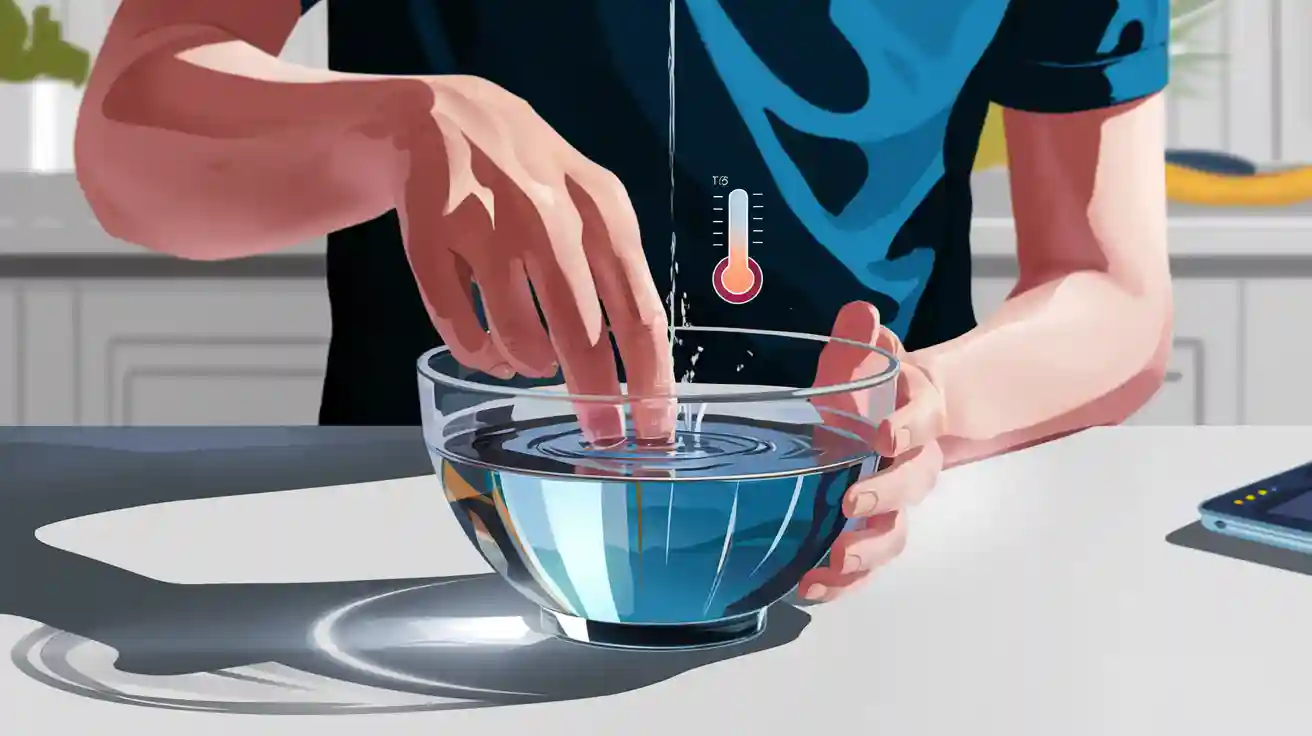
I can guess water temperature without a thermometer by using my senses and watching what happens to the water. Sometimes, I need to check if water is hot enough for cooking or safe for a bath. I always think about safety first, so I do not get burned. 🌡️
Here are some cool facts about water temperature in 2025:
Sea surface temperature rises by 0.14°F every ten years.
2023 was the hottest year for sea surface temperature ever.
Some places get warmer, but other places get cooler.
When I want to know how to tell water temp without thermometer, I try different ways and watch closely. These tricks are simple, and I use them almost every day. 😊
Using Senses
I can tell if water is hot or cold by using my senses. I do not need a thermometer. I just use my hand, wrist, elbow, or lip. These ways are easy and safe if I am careful. 😊
Hand Test
Safe Touch
I always check water with my hand first. I do not put my whole hand in. I dip just my fingers. If the water feels too hot, I stop right away. I never touch boiling water. That is not safe. I learned that people can feel small changes in water temperature with their hands. My hand can notice if water is warm, hot, or cold.
Sensation Ranges
When I use my hand, I feel different things at different temperatures. Here is what I notice:
Water feels warm but not hot at about 110°F. This is good for making bread with yeast.
Water feels hot but I can still touch it at 115-120°F.
Water feels too hot to touch at 130-135°F. I pull my hand away fast.
Tip: Using your hand is good for quick checks, but I always test slowly to stay safe.
Wrist and Elbow
Sensitivity
Sometimes, I use my wrist or elbow. These parts are more sensitive than my hand. Babies get their bath water checked this way. My wrist and elbow can feel if water is too hot or just right.
Step-by-Step
Here is how I do it:
I dip my wrist or elbow in the water.
If it feels warm and nice, it is safe for a bath.
If it feels hot or burns, I do not use the water.
I read that people can tell small changes in temperature with their skin. Scientists did tests where people put their hands in water and could feel even tiny changes. They used special tools to check this.
Lip Test
How to Do It
I sometimes use my lip to test water. My lip is very sensitive. I touch a drop of water to my lower lip. If it feels too hot, I do not use the water.
When to Use
I use the lip test when I want to check baby bottles or drinks. My lip can feel small changes, but it is not good for knowing the exact temperature. Scientists say the lip is good for feeling warm or cool, but not for telling the number.
Here is a table to show how my hand, wrist, and lip feel water:
Body Part | How Sensitive | Good For |
|---|---|---|
Hand | Medium | Quick checks |
Wrist | High | Bath water |
Elbow | High | Bath water |
Lip | Very High | Baby bottles, drinks |
Note: Using your hand or other body parts works well for most things, but not for very hot water or when I need to be exact.
Visual Cues

I can tell water temperature by looking at bubbles, steam, and ice. These clues help me guess if water is hot, warm, or cold. I do not need a thermometer. I just use my eyes and pay attention. 👀
Bubble Observation
Bubble Stages
Bubbles tell me how hot the water is. When I heat water, I see small bubbles first. Then, I see bigger bubbles. At the end, water boils with lots of bubbles.
Here is a table I use to remember bubble stages:
Water Temperature (°C) | What I See on Water | Bubble Details |
|---|---|---|
25 | Clear water | No bubbles |
60 | Cloudy water | Small bubbles start |
70 | More cloudy | More and bigger bubbles |
80 | Very cloudy | Biggest bubbles |
Tip: When I see many big bubbles, water is getting close to the boiling point of water. I know boiling happens at 100°C (212°F).
Temperature Ranges
I watch bubbles to guess the temperature.
No bubbles means water is cool, maybe room temperature.
Small bubbles and cloudiness mean water is warm, about 60°C.
More bubbles and more cloudiness mean water is hotter, about 70°C.
Big bubbles and very cloudy water mean water is very hot, about 80°C.
When water boils, I see lots of bubbles everywhere. That is the boiling point of water.
Scientists say bubbles change a lot between 40°C and 80°C. Bubbles grow faster and get bigger as water gets hotter. I use this to help me know if water is almost boiling.
Steam and Condensation
Light vs. Heavy Steam
Steam tells me how hot water is.
Light steam means water is warm, not boiling.
Heavy steam means water is very hot or boiling.
I see light steam when water is about 60°C to 80°C. When water boils, I see lots of heavy steam rising fast.
What It Means
Water changes density as it heats up. When water gets hot, it makes more steam. I see more steam when water is close to boiling.
At 4°C, water is heaviest.
When water gets hot, it gets lighter and makes more steam.
Ice floats because it is less dense than water.
When I see lots of steam, I know water is very hot.
Note: I use steam to guess if water is safe to touch. If I see heavy steam, I stay away. It is too hot.
Ice and Melting
Ice in Water
Ice helps me know if water is cold or warm.
If ice does not melt, water is very cold.
If ice melts fast, water is warm or hot.
Melting Patterns
I watch how ice melts in water.
Slow melting means water is cool.
Fast melting means water is warm.
If ice melts right away, water is hot.
Tip: I never put ice in boiling water. It melts super fast and can splash hot water.
I use these visual cues every day. I look at bubbles, steam, and ice to guess water temperature. It is easy and fun! 😄
How to Tell Water Temp Without Thermometer
I can tell water temperature without a thermometer by using my senses, looking at the water, and trying some easy tricks. I use these ways every day when I cook, take a bath, or do science projects at home or school. Here is how I do it:
Everyday Uses
Cooking
When I cook, I need to know if water is hot, warm, or just right. I do not always have a thermometer. I use my hand, wrist, or eyes to guess the temperature. Here are some things I do:
I dip my fingers or wrist in the water. If it feels warm but not hot, it is good for making bread. I remember to check water temperature for yeast because yeast likes water around 110°F. If the water feels too hot, I wait for it to cool.
When I cook pasta, I look for big bubbles. When water boils, I see lots of bubbles and steam. That means the water is about 212°F.
Sometimes, I use a spoon to stir the water. If steam comes up and the spoon feels hot, the water is ready for cooking.
Tip: I always start slow and never touch boiling water. I do not want to burn my hand! 🖐️
Bathing
I use the same tricks when I take a bath. I do not use a thermometer. I put my elbow or arm in the water. My elbow is more sensitive than my hand. If my skin turns red, the water is too hot. If I feel goosebumps, the water is too cold. If it feels nice, I know it is just right.
Sometimes, I mix hot and cold water to get the best bath. I learned that mixing boiling water and cold well water helps me find a good temperature. I do not need a thermometer for this. I just use my senses and watch my skin.
Note: I always check the water before I get in. Safety first! 🛁
Science Projects
School Experiments
At school, I do fun experiments to learn how to tell water temp without thermometer. My teacher gives me three glasses: one with cold water, one with room temperature water, and one with hot water. I put food coloring in each glass. The color mixes fastest in hot water and slowest in cold water. I use a stopwatch to see how fast the color spreads.
I do not use a thermometer. I just watch and write down what I see. My friends and I talk about why the color moves faster in hot water. We learn that hot water has more energy.
Home DIY
At home, I try the same experiment. I use food dye and three cups of water. I guess which cup is hot, warm, or cold by watching the dye. I do not need any special tools. I use my eyes and my brain.
Sometimes, I try to guess the temperature by touching the cup. If it feels very warm, I know it is hot water. If it feels cool, I know it is cold water. I tell my family how to tell water temp without thermometer. They think it is fun!
Tip: I always ask an adult to help with hot water. I do not want to get hurt.
Here is a table to help me remember how to tell water temp without thermometer in different ways:
Use | What I Do | What I Look For |
|---|---|---|
Cooking | Hand or wrist test, bubbles | Warm for yeast, boiling for pasta |
Bathing | Elbow or arm test, skin color | Red = hot, goosebumps = cold, nice = just right |
Science | Food dye in water, stopwatch | Fast mixing = hot, slow = cold |
I use these tricks every day. I tell my friends how to tell water temp without thermometer. It is easy and fun! 😃
Check Water Temperature Safely
I always check water temperature safely because I do not want to get burned. 🔥
Avoid Burns
Safe Testing
When I check water temperature, I use safe ways. Here is what I do:
I set my water heater to 120°F or lower. This keeps water safe for me and my family.
I use my hand, wrist, or elbow to test the water. I touch slowly. If it feels too hot, I stop right away.
I ask an adult to help me with hot water.
I never put my hand in boiling water.
I learned that burns can happen very fast. I saw a table that shows how fast burns happen at different water temperatures:
Water Temperature | Time for Serious Burn (Children) |
|---|---|
120°F | 9 minutes |
130°F | 25 seconds |
140°F | 3 seconds |
Tip: I always check water temperature before I get in the bath or use hot water. I do not want to get hurt.
When to Avoid Touch
Sometimes, I do not touch the water at all. Here is when I avoid touching:
I see lots of steam or big bubbles. That means water is very hot.
I hear the water boiling. I stay away.
I use a spoon or cup to test instead of my hand.
I never leave small kids alone with hot water.
Doctors say many people go to the hospital every year because of hot water burns. Older people and kids get hurt the most. I want to be careful.
Accuracy Limits
Why Estimates Vary
I know my way to check water temperature is not always perfect. My hand feels different on different days. Sometimes, my skin is dry or cold. Sometimes, the water heater is not right. I read that over half of homes have water heaters that are off by more than 10°F. That is a big difference!
My guess can be wrong if I am in a hurry.
My hand is not a thermometer.
Water can feel cooler or hotter if the air is cold or warm.
When to Use a Thermometer
I use a thermometer when I need to be sure. Here are times I use one:
I make food for babies.
I help someone who is sick.
I do a science project that needs the right number.
I want to check water temperature for safety.
Note: I use antiscalding devices or special valves if I can. These stop water if it gets too hot. My teacher says these are good for old people and small kids.
I always remember to check water temperature safely. I want to keep myself and my family safe. 😊
Measuring Temperature Without Tools
I can measure water temperature without tools by using time and simple tricks. I do not always have a thermometer, so I try other ways. Here are my favorite methods for measuring temperature at home. 😊
Cooling Time Reference
Boil and Cool Method
I like to use the boil and cool method. First, I make the water boiling. I see big bubbles and lots of steam. I know this is 212°F (100°C). Then, I turn off the heat and let the water cool. I use a timer or my phone to watch the time.
I start timing when the water stops boiling.
I check the water every few minutes.
I touch the outside of the pot or cup. If it feels warm, I know the water is still hot.
After 10 minutes, the water is not boiling, but it is still very warm.
After 30 minutes, the water is warm, but I can touch it longer.
After 1 hour, the water feels cool or just a little warm.
Tip: I always wait for the water to stop boiling before I touch it. I do not want to burn my hand! 🔥
Using Time as a Guide
I use time as my guide for measuring temperature. I learned from science that water cools in a special way. The cooling curve looks like a slide. It goes down fast at first, then slow. Scientists say the best time to check is between 1 hour and 15.5 hours after boiling. Before 1 hour, the water is too hot. After 15.5 hours, the water is almost the same as the room.
Here is a simple table I made:
Time After Boiling | How Water Feels |
|---|---|
0 min | Boiling, very hot |
10 min | Still hot |
30 min | Warm |
1 hour | Cool or warm |
2+ hours | Room temperature |
Note: I use this table when I do not have a thermometer. It helps me guess if water is safe to touch.
Homemade Thermometer
Simple DIY
Sometimes, I make a homemade thermometer. I use a clear plastic bottle, water, and a straw. I fill the bottle with water and put the straw in. I seal the top with clay or playdough. When I put the bottle in hot water, the water in the straw goes up. When I put it in cold water, the water goes down.
I mark the straw with a pen at different levels.
I use boiling water to make the highest mark.
I use ice water to make the lowest mark.
This is fun and easy! 😃
Limitations
My homemade thermometer is not perfect. It does not show the real number. It only shows if water is hotter or colder. Sometimes, the marks move if I shake the bottle. I cannot use it for cooking or science projects that need exact numbers. I only use it for fun or to show my friends.
Tip: I always remember, measuring temperature with these tricks is good for guessing, but not for important things like baby bottles or medicine.
Quick Reference Table
Sensory Cues
Touch
I use my skin to guess water temperature.
Here is how I do it with my hand, wrist, elbow, and lip:
Hand:
Warm (about 110°F): Feels nice, not hot. Good for bread yeast.
Hot (115-120°F): I can touch, but it feels strong.
Very Hot (130°F+): I pull my hand away fast. Too hot!
Wrist/Elbow:
Warm: Feels gentle, safe for bath.
Hot: I feel a sting. Not safe for babies.
Very Hot: Hurts right away. I stop!
Lip:
Warm: Feels soft, good for baby bottles.
Hot: I feel a burn. Not safe.
Tip: I always test slowly. I never touch boiling water. 🖐️
Visual
I look at water to guess the temperature.
Here are my favorite ways:
Bubbles:
No bubbles: Water is cool or room temperature.
Small bubbles: Water is getting warm (about 60°C).
Big bubbles: Water is hot (about 80°C).
Rolling boil: Water is very hot (100°C/212°F).
Steam:
Light steam: Water is warm, not boiling.
Heavy steam: Water is very hot or boiling.
Ice:
Ice melts slow: Water is cold.
Ice melts fast: Water is warm or hot.
Note: I use my eyes and nose. If I see lots of steam or bubbles, I stay back! 👀💧
Fast Lookup
I made a table to help me remember fast.
I use this when I want to check water temperature without a thermometer.
What I See or Feel | What It Means | Good For | Emoji |
|---|---|---|---|
No bubbles, cool touch | Room temp or cold | Drinking, washing | 🧊 |
Warm on hand/wrist | About 110°F | Yeast, baby bath | 🛁 |
Hot, can touch briefly | 115-120°F | Cooking, tea | 🍵 |
Too hot to touch | 130°F+ | Not safe to touch! | ⚠️ |
Small bubbles, light steam | 60-80°C | Getting hot | 💨 |
Big bubbles, heavy steam | Boiling (100°C/212°F) | Pasta, sterilizing | 🍲 |
Ice melts slow | Cold | Cold drinks | ❄️ |
Ice melts fast | Warm or hot | Not for drinking | 🚫 |
Quick Answer:
I use my hand, wrist, lip, and eyes to guess water temperature. I look for bubbles, steam, and how ice melts. I use this table to check fast! 😃
I can tell water temperature without a thermometer by using my senses and eyes. I use my hand, wrist, lip, and watch bubbles or steam. These tricks help me every day, but I know they are not perfect. Scientists say mixing different ways, like machine learning and checking outliers, makes guessing better, but not always exact. For important things, I use a thermometer. I trust my senses and keep learning! 😃👍
What I Use | How It Helps | When I Use It |
|---|---|---|
Senses & Eyes | Fast, easy, fun | Cooking, bathing |
Thermometer | Exact, safe | Babies, science |
I feel proud when I use my senses. I practice safe and smart! 🚀
FAQ
How can I tell if water is too hot to touch?
I check with my hand or wrist first.
If I feel pain or pull away fast, the water is too hot. I never touch water with lots of steam or big bubbles. 🔥
Can I use my senses to check water for cooking?
Yes, I use my senses every time.
I touch the water or look for bubbles. Warm water feels nice for bread. Boiling water has many bubbles for pasta. 🍝
Is it safe to test bath water with my elbow?
I think it is safe if I go slow.
My elbow is more sensitive than my hand. I dip my elbow in gently. If it feels nice, I use the water. 🛁
What do bubbles mean in hot water?
Bubbles show how hot the water is.
No bubbles means cool. Small bubbles mean warm. Big bubbles mean hot. Lots of bubbles mean boiling. I watch bubbles to guess the heat. 🫧
Can I use ice to check water temperature?
Yes, I use ice to help.
If ice melts slow, water is cold. If ice melts fast, water is warm or hot. I never put ice in boiling water. ❄️
When should I use a real thermometer?
I use a thermometer for babies, sick people, or science.
Guessing is not good enough for safety. I use a thermometer when I need the exact number. 🧪
Why does my hand feel different on some days?
My hand feels different if I am cold, tired, or sick.
Sometimes, my skin is dry or wet. This changes how I feel water. I check slowly to stay safe. ✋
What if I do not have any tools at all?
I use time and my senses.
I let boiling water cool and check every few minutes. I touch the outside of the cup. I look for steam and bubbles. ⏲️