How to Calibrate a Digital Thermometer for Accurate Readings
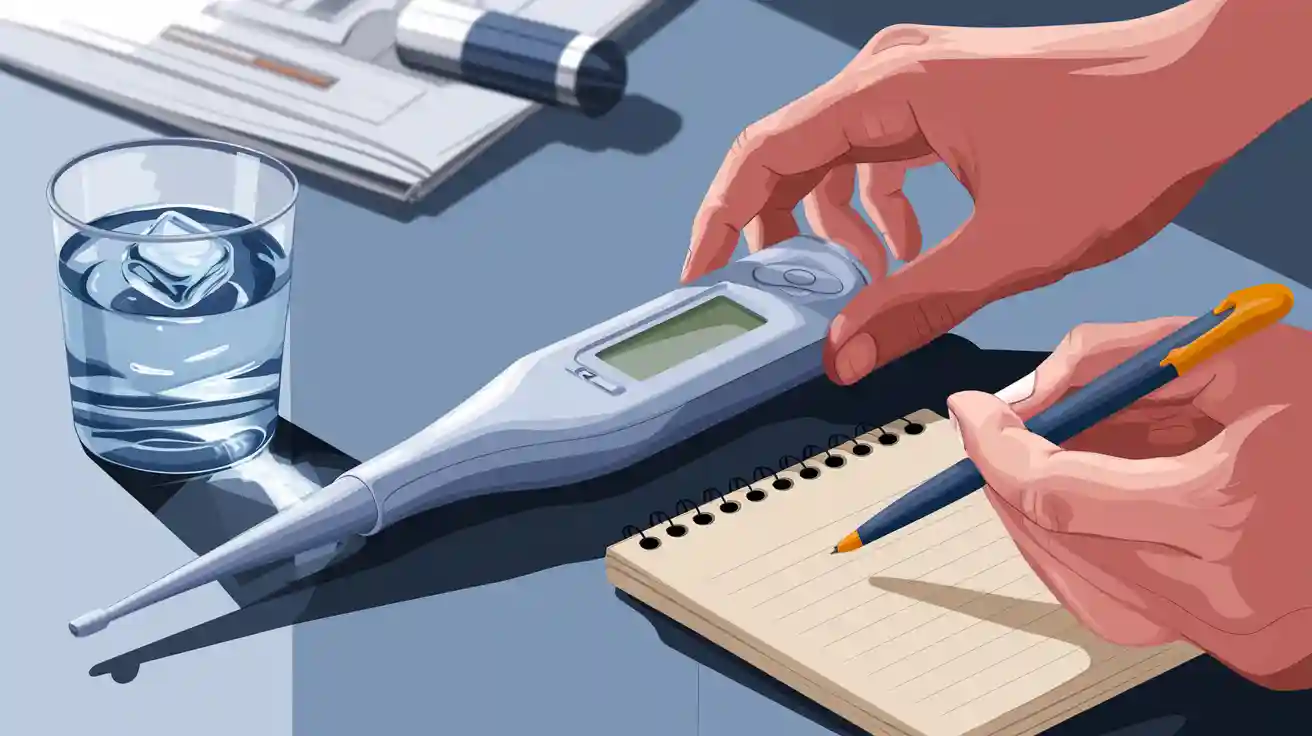
To learn how to calibrate a thermometer digital, I follow these steps:
Fill a cup with ice and water or boil water in a pot.
Place the digital thermometer in the ice water or boiling water.
Wait for the reading to stabilize and stop moving.
Adjust the thermometer if the temperature reading is inaccurate.
Knowing how to calibrate a thermometer digital is important because it helps ensure food safety and proper cooking. Digital thermometers need to be accurate within ±1°F to cook food correctly. I use these calibration techniques at home, and I find the process simple and enjoyable! 😊
Why Calibrate a Thermometer
Food Safety
I calibrate my food thermometer because it keeps my food safe to eat. 🍗
When I cook, I want to make sure my food is cooked to a safe temperature. If my thermometer is not right, I might eat food that is not safe. That can make me or my family sick. I read that most people have a thermometer, but not many use it the right way. I do not want to guess if my chicken or steak is done. I use my thermometer every time.
Here are some reasons why calibrating your food thermometer is important for food safety:
It helps me stop foodborne illness by making sure my food is hot enough.
It makes sure I do not undercook or overcook my food.
It helps me follow food safety rules at home.
Tip: I always check my thermometer before cooking big meals, like for holidays or parties. 🎉
Reliable Readings
I calibrate my thermometer so I can trust the numbers I see. 📏
Sometimes, thermometers can change over time. Maybe I drop it, or it gets old. If I do not check it, it might give me the wrong number. I want to know my food is really safe, so I make sure my thermometer is right.
Calibrating your food thermometer helps me get the same reading every time.
It helps me find out if my thermometer is broken or needs to be replaced.
I learned that regular thermometer calibration keeps my food thermometer working well for a long time.
I saw a study that said calibrated thermometers show better results than ones that are not checked. That means I can cook with confidence!
Reason to Calibrate | What It Helps Me Do |
|---|---|
Trust my readings | Know my food is safe |
Find problems early | Fix or replace my tool |
Save money | Use my thermometer longer |
When to Calibrate Your Food Thermometer
I calibrate a food thermometer when I first buy it, and then I check it often. ⏰
I learned that I should check my thermometer:
When I buy a new one
Every week if I use it a lot, or every month if I use it less
After I drop it or it gets too hot or cold
If I think the reading is not right
Calibrating your food thermometer often is the best way to keep it working. Some people say to check it once a year, but I like to do it more. If I use my thermometer for meat, I always calibrate a meat thermometer before big meals. I keep a little notebook to write down when I do food thermometer calibration. That helps me remember!
Note: A properly calibrated thermometer is my best friend in the kitchen. It helps me make yummy food and keeps everyone safe.
How to Calibrate a Thermometer Digital
I calibrate my digital thermometer at home with two easy methods: the ice water method and the boiling water method. Both help me get accurate readings. Here is how I do it:
Ice Water Method
Prepare Ice Bath
I fill a glass with lots of ice cubes.
I pour cold water over the ice until the glass is full.
I stir the ice and water for about 2 minutes. This makes sure the temperature is the same everywhere.
I wait until the ice and water mix is very cold and stable.
I use clean, distilled water if I have it. This helps stop errors from dirty water.
Tip: I always use lots of ice. If I use too little, the water will not stay at 0°C (32°F). 🧊
Insert Probe
I turn on my digital thermometer.
I put the probe into the middle of the ice water. I make sure the tip does not touch the sides or bottom of the glass.
I wait for the numbers to stop moving. This can take about 3 minutes.
I keep the probe in the ice water and watch the reading.
Adjust Reading
My thermometer should show 0°C or 32°F.
If it does not, I look for a calibration or reset button.
I press and hold the button to adjust my thermometer until it reads 0°C (32°F).
If my thermometer does not have a button, I write down the difference. Next time, I remember to add or subtract that number.
Why do I use the ice water method?
The ice water method is very good because the ice and water mix always stays at 0°C if I use pure water and lots of ice.
I read that this method is very reliable and can be as accurate as ±0.1°C if I do it right.
I can check my thermometer often without sending it to a factory.
This method helps me calibrate a food thermometer and even calibrate a meat thermometer at home.
Boiling Water Method
Boil Water
I fill a pot with clean water.
I put the pot on the stove and heat it until the water boils hard.
I see big bubbles rising all over the pot.
Safety Tip: I am careful with boiling water. I do not let my hand get too close. I use a long spoon or tongs to hold the thermometer. 🔥
Place Probe
I turn on my digital thermometer.
I put the probe into the boiling water. I keep it in the middle and do not touch the sides or bottom.
I wait for the numbers to stop moving. This takes about 30 seconds to 1 minute.
Adjust for Altitude
I know that water boils at 100°C (212°F) only at sea level.
If I live high up, water boils at a lower temperature. I check a chart or use an online calculator to find the right boiling point for my city.
My thermometer should show the correct boiling point for my place.
If it does not, I use the calibration or reset button to adjust my thermometer.
If my thermometer does not have a button, I remember the difference and write it down.
Note: The boiling water method is quick, but it is not perfect. The boiling point changes with altitude and air pressure. Experts say this method is good for a fast check, but not for perfect calibration. For the best temperature calibration, I use both the ice water and boiling water methods.
Calibration Method | What I Do | What I Check For |
|---|---|---|
Ice Water | Use lots of ice and cold water | 0°C (32°F) |
Boiling Water | Boil water and insert probe | 100°C (212°F) or local BP |
Tip: I always wait for the reading to stop moving before I adjust my thermometer. I never touch the sides or bottom of the container. This helps me get the best results when I calibrate digital thermometers.
Now I know how to calibrate a thermometer digital. I use these calibration methods to keep my digital thermometer accurate. I feel happy and safe when I cook for my family! 😃
Digital Thermometer Adjustment
Calibration Button
I use the calibration button to make my digital thermometer show the right number.
When I see my thermometer has a button for calibration, I feel happy. It is easy for me to fix the reading. I just press and hold the button when I put the probe in ice water or boiling water. Then I wait for the number to match the real temperature. If it does not match, I press the button again until it is right.
I read about a thermometer called Saf-T-Log®. It has a special calibration trim function. This helps me adjust the reading and keep it correct. The thermometer also has a menu where I can see calibration settings. I think this is very smart. It helps me trust my thermometer calibration every time I cook.
Tip: I always check the manual before I use the calibration button. Sometimes, the steps are a little different for each thermometer.
No Adjustment Option
If my thermometer does not have a calibration button, I still can check if it is correct.
Here is what I do:
I make an ice bath and put the probe in.
I wait for the number to stop moving.
I see if the number is 0°C (32°F).
If it is not, I write down the difference.
I remember to add or subtract this number when I use the thermometer.
This is called an intermediate check. I learned that almost anyone can do this at home. I only need ice, water, and a clean cup. The ice point test is very good. It can help me test your thermometer’s accuracy with just a few things from my kitchen. If my thermometer is still not right, I can send it to a special lab for fixing.
Note: I do this test often. It helps me feel sure about my thermometer. I do not want to guess if my food is safe.
Verifying Accuracy
I always test your thermometer’s accuracy after I calibrate it.
I want to make sure my thermometer is working well. I do not want to make mistakes when I cook. Here are some ways I check:
I use the ice water method and the boiling water method.
I compare my thermometer to another one that I know is correct.
I look for a mark or paper that says my thermometer was checked in a lab.
Some thermometers are tested in special labs. These labs use NIST-traceable tools. They check each thermometer and give it a paper to show it is good. I saw that some thermometers have a CE mark and a serial number. This means they passed many tests. I try to do my own testing thermometer accuracy post-calibration at least once a year. This helps me trust my thermometer every time I cook.
How I Check | What I Look For |
|---|---|
Ice Water | 0°C (32°F) |
Boiling Water | 100°C (212°F) or local boiling point |
Compare with another thermometer | Same reading |
Lab paper | Passed test |
🕵️♂️ I always test your thermometer’s accuracy before I cook big meals. This makes me feel safe and happy!
Calibrate a Food Thermometer: Troubleshooting

Common Issues
I see some common problems when I calibrate a food thermometer. Here are the ones I notice most:
My thermometer shows the wrong number. Sometimes, the sensor drifts or gets old.
The reading jumps up and down. This can happen if there is a problem with the power or if something nearby makes interference.
The probe is too close to a hot stove or not in the right spot. This makes the number wrong.
The wires or connectors look broken or loose.
The kitchen is very wet, hot, or cold. This can make my thermometer act funny.
🛠️ Tip: I always check the place where I put my thermometer. I keep it away from heat and make sure air can move around it. I look at the wires and connectors to see if they are okay. If my kitchen is very wet or hot, I try to protect my thermometer.
Here is a table to help me remember what to check:
Problem | What I Do |
|---|---|
Wrong number | Recalibrate your thermometer |
Jumping reading | Check power and move away from other machines |
Bad probe spot | Put probe in the middle of food or water |
Broken wires | Fix or change wires |
Wet or hot kitchen | Use a cover or move thermometer |
If Calibration Fails
If I cannot recalibrate your thermometer, I try these steps:
I check the battery. Sometimes, a weak battery makes the thermometer not work right.
I look for cracks or water inside the screen. If I see this, I stop using it.
I try both the ice water and boiling water methods again.
I read the manual. Some thermometers need special steps.
I compare my thermometer with another one that I trust.
If nothing works, I write down the problem and get a new thermometer.
⚠️ Note: Sometimes, my thermometer is too old or broken. I cannot fix it. I buy a new one to keep my food safe.
I learned that sometimes, the problem comes from how deep I put the probe or if I use too many thermometers in one pot. If I see the number change when I move the probe up and down, I know I need to put it deeper. I also do not put many thermometers in the same water at once.
Cleaning and Storage
I always clean and store my thermometer the right way to keep it working. Here is what I do:
I wash the probe with hot, soapy water after every use. I do not put the whole thermometer in water.
I dry the thermometer by putting it on a clean towel with the probe up. I wait until it is dry.
I keep my thermometer in a safe, dry place. I use a case if I have one.
I do not leave my thermometer in the sun or near a hot stove.
I wipe my thermometer before I use it again to stop germs from spreading.
I recalibrate your thermometer after cleaning, after dropping it, or after a long time in storage.
🧼 Tip: I look at my thermometer before I use it. If I see cracks, water inside, or a bent probe, I get a new one. I want to keep my family safe.
I always remember to calibrate a food thermometer often. This helps me cook yummy and safe food every day!
When to Calibrate Your Food Thermometer
Frequency
I check and calibrate my food thermometer at these times:
When I buy a new thermometer 🛒
Before I cook big meals, like for a party or holiday 🎂
After I drop my thermometer or it gets banged up 😬
If I use my thermometer every day, I check it every week
If I use it sometimes, I check it every month
At least once a year, even if I do not use it much 📅
Experts say the best time for calibrating your food thermometer depends on how much I use it, where I use it, and if I share it with others. If I use my thermometer in a busy kitchen or in a place that is very hot or cold, I check it more often. Some rules say I must check it every year, but I like to do it more so my food stays safe.
Tip: I always do a quick ice water or boiling water test before I cook something important. This helps me feel sure my thermometer is right.
Signs Calibration Is Needed
I know it is time to calibrate my thermometer when I see these signs:
The numbers on my thermometer look wrong or change a lot 🔢
My food does not cook the way I expect
I drop my thermometer or it gets wet
The probe looks bent or broken
I have not checked it for a long time
If I see any of these things, I do not wait. I test my thermometer right away. Sometimes, I see my thermometer is off by a few degrees. That can make my food unsafe. I do not want to take that risk.
Sign I See | What I Do |
|---|---|
Numbers jump or look odd | Calibrate right away |
Food not cooking right | Check thermometer accuracy |
Dropped or wet thermometer | Test and recalibrate |
Bent or broken probe | Replace or fix thermometer |
Long time since last check | Do a calibration test |
Keeping a Log
I keep a simple log to remember when to calibrate my food thermometer. 📝
I write down the date, what test I did, and if I had to fix my thermometer. This helps me remember if my thermometer is safe to use. Some experts say keeping a log is important for food safety. If someone checks my kitchen, I can show my log to prove I take care of my tools.
Here is how I keep my log:
I write the date every time I check my thermometer
I write the result (like “ice water test: 32°F, OK”)
If I fix or adjust my thermometer, I write what I did
I keep my log in a notebook or on my phone
Date | Test Type | Result | Adjustment Made |
|---|---|---|---|
2024-06-01 | Ice Water | 32°F, OK | None |
2024-06-15 | Boiling Water | 211°F, -1°F | Adjusted +1°F |
Note: I learned that keeping a log is not just for big restaurants. It helps me remember when to calibrate my food thermometer and keeps my family safe. If I ever have a problem, I can look back and see what happened.
I always remember these steps when I calibrate a thermometer:
Fill a cup with ice and water or boil water.
Put the thermometer in and wait for the number to stop.
Adjust if the reading is wrong.
I know regular calibration keeps my food safe and my family healthy. I keep a log, check my thermometer often, and fix problems fast.
📝 Quick tip: I clean my thermometer after every use and store it in a dry place.
I feel proud when I cook because I know my food is safe. Making calibration a habit helps me trust my tools and enjoy cooking every day! 😃🍳
FAQ
How often should I calibrate my digital thermometer?
I check my thermometer every month.
If I drop it or see strange numbers, I test it right away. Before big meals, I always do a quick check. 🗓️
What if my thermometer does not have a calibration button?
I write down the difference.
If my thermometer shows the wrong number, I remember to add or subtract that amount when I use it. I keep a note in my kitchen. 📝
Can I use tap water for calibration?
I use distilled water if I can.
Tap water sometimes has stuff inside that can change the reading. If I only have tap water, I use it, but I know it is not perfect. 💧
Why does my thermometer show different numbers in ice water and boiling water?
I think my thermometer needs calibration.
Sometimes, the sensor gets old or broken. I check both ways. If the numbers are off, I try to fix it or get a new one. 🔄
What should I do if my thermometer gets wet?
I dry it right away.
I take out the battery and let it dry. If it still does not work, I buy a new one. I do not use a wet thermometer for food. 💦
Can I calibrate a meat thermometer the same way?
Yes, I use the same steps.
I use ice water or boiling water for my meat thermometer too. I always check before cooking meat. 🥩
How do I know if my thermometer is broken?
I see strange numbers or it will not turn on.
If the screen is cracked or the probe is bent, I stop using it. I get a new thermometer if I cannot fix it. 🚫
Is it safe to use a thermometer that is a little off?
No, I do not trust it.
Even a small mistake can make food unsafe. I always fix or replace my thermometer if it is not right. ⚠️