How to put a eagle pen torch lighter back together
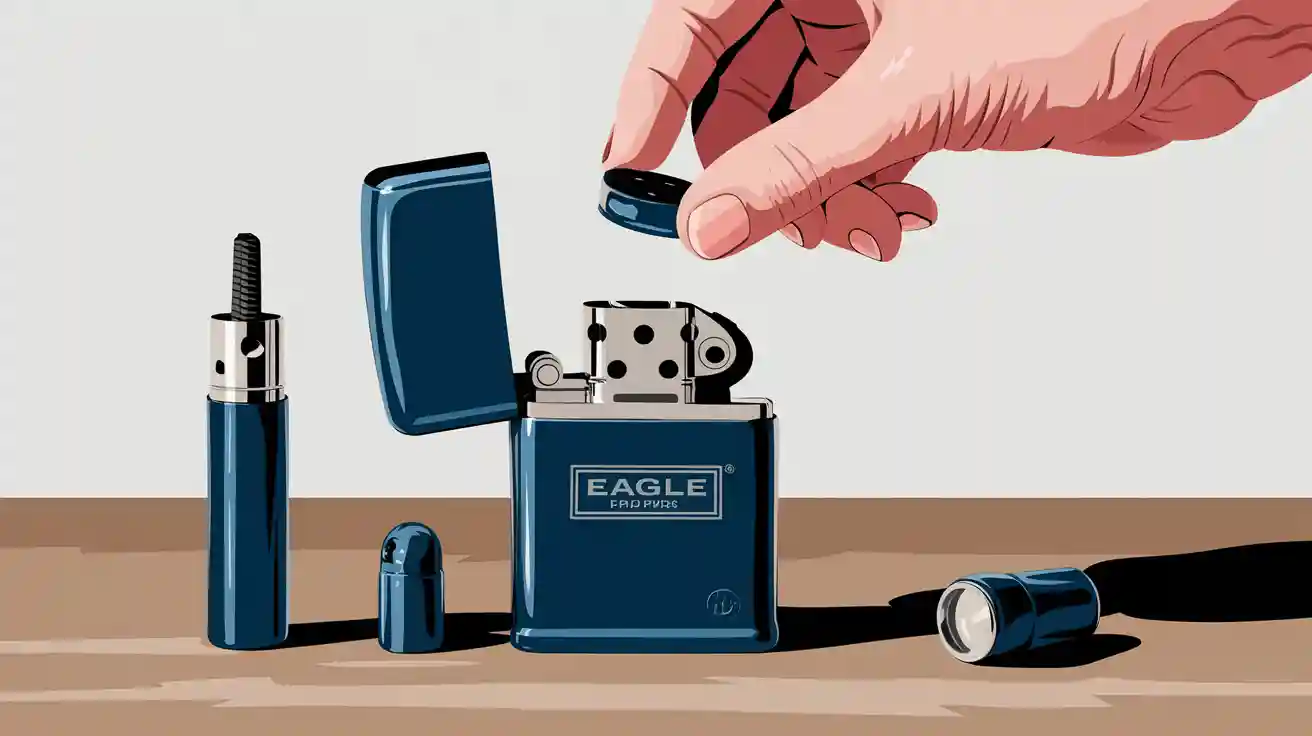
I know how to put a eagle pen torch lighter back together, and I can help you do it too! When I first tried, I felt a little scared, but I saw that most people rate this lighter as very easy to use (9.5/10 for setup and 9.0/10 for use). That made me feel better. 😊 I just needed some simple tools and paid close attention. If I follow each step, my lighter works well and stays safe. I like to keep all the small parts together before I start.
Tip: I always check the safety switch and read the manual for extra help.
Tools and Parts

What You Need
I always start by getting all my tools and parts ready. This makes my work easy and fast. Here is what I use:
Small Phillips screwdriver 🪛
Flathead screwdriver
Tweezers (for tiny parts)
Clean cloth or paper towel
Replacement O-rings (if old ones are broken)
Butane fuel (for testing later)
All lighter parts
Tip: I put all my tools and parts on a tray. This way, I do not lose anything. I feel happy when I see everything in one place.
Identifying Components
I look at each part before I start. I want to know what goes where. I use this table to help me remember the names:
Part Name | What It Does | What It Looks Like |
|---|---|---|
Fuel Chamber | Holds the butane | Small metal tank |
Valve | Lets gas out | Tiny metal piece |
O-Rings | Stops leaks | Small rubber rings |
Piezo Igniter | Makes the spark | Long, thin stick |
Ignition Button | Starts the fire | Plastic button |
Nozzle | Where flame comes out | Metal tube |
Trigger | Pushes the button | Small lever |
I check if I have all these parts. If I miss one, I stop and look for it. I do not want to build my lighter with missing parts. That can make my lighter not work or even break.
Note: I always count my parts before I start. I feel safe when I know I have everything.
I think having all the right parts is very important. If I do not have them, I cannot finish my lighter. I do not want to waste time or feel sad. So, I check two times before I start.
Preparation
Organizing Parts
I always organize my parts before I start putting my Eagle pen torch lighter back together. This step helps me work faster and not lose anything. I feel happy when I see everything in order. Here is how I do it:
I put a clean towel on my table.
I lay out all the parts in a row.
I use a small bowl for tiny screws and O-rings.
I check my list and count each part.
I look at the table from before to remember what each part does.
Tip: I take a photo with my phone. If I forget where something goes, I look at the photo. 📸
Step | What I Do | Why I Do It |
|---|---|---|
1 | Lay out towel | Keep parts clean |
2 | Arrange parts in a row | See everything easily |
3 | Use bowl for small bits | Don’t lose tiny things |
4 | Count each part | Make sure nothing is lost |
5 | Take a photo | Help remember placement |
I feel ready when I see all my parts in front of me. I do not want to miss anything. If I miss a part, I stop and look for it.
Safety Checks
I always do safety checks before I start. I want to stay safe and not hurt myself. Here is what I check:
I make sure there is no fire or spark near me.
I open a window or work outside. Fresh air is good.
I wear safety glasses. My eyes feel safe. 🦺
I wash my hands. Clean hands help keep the lighter clean.
I check the butane can. I make sure it is not leaking.
Note: If I smell gas, I stop right away. I do not want to get hurt.
I feel safe when I do these checks. I can work better and not worry. Safety is very important for me and my family.
Reassembly Steps
Fuel Chamber and Valve
Aligning Parts
I always start with the fuel chamber and valve. This part is very important. If I do not put it together right, my lighter will not work. Here is what I do:
I pick up the fuel chamber. I look for the spot where the valve fits.
I hold the valve with my tweezers. I check the shape and match it to the hole in the chamber.
I line up the valve so it sits flat. I do not force it. If it does not fit, I turn it a little.
I make sure the valve is straight. If it is crooked, I take it out and try again.
Tip: I look at my photo from before to see how the valve should sit. This helps me remember.
Locking in Place
Now I need to lock the valve in place. I do not want it to move or fall out. Here is how I do it:
I use my small screwdriver to turn the locking ring or screw. I turn it slowly.
I do not use too much force. If I push too hard, I might break the valve.
I check if the valve is tight. I wiggle it a little. If it moves, I tighten it more.
I wipe away any dirt with my cloth.
Note: If I need to unscrew tip, I do it gently. I do not want to strip the threads.
Ignition Mechanism
Piezo Igniter
Next, I put in the piezo igniter. This part makes the spark. I want to be careful because it is long and thin.
I hold the piezo igniter by the end. I do not touch the middle.
I slide it into the slot above the fuel chamber.
I push it in until I hear a small click. That means it is in the right place.
I check if it moves. If it does, I push it again.
Tip: If I forget where it goes, I look at my parts photo. It helps me a lot.
Ignition Button
Now I add the ignition button. This button starts the fire when I press it.
I find the small plastic button.
I line it up with the piezo igniter.
I press it down gently. I hear a soft snap.
I test it by pressing. If it moves up and down, I did it right.
Step | What I Do | Why I Do It |
|---|---|---|
1 | Find button | Needed for ignition |
2 | Line up with igniter | Makes sure it works |
3 | Press gently | Avoids breaking it |
4 | Test movement | Checks if it is working |
O-Rings and Seals
O-rings and seals stop leaks. I always check them before I put them back.
I look at each O-ring. If it is broken or dry, I use a new one.
I put a little oil on the O-ring. This helps it slide in.
I place the O-ring in the groove around the valve and nozzle.
I press it down with my finger or tweezers. I make sure it sits flat.
I check all seals. If I see a gap, I fix it.
Tip: I always double-check the O-rings. If I miss one, my lighter might leak.
That is how to put a eagle pen torch lighter back together. I follow these steps every time. I feel proud when I finish and my lighter works. If you want to see more, you can watch a video or look at a diagram. I learned a lot by watching others.
If you follow these steps, you will know how to put a eagle pen torch lighter back together too! 😊
Nozzle and Trigger
I always get excited when I reach the nozzle and trigger part. This step feels like putting the nose and finger on my lighter. If I do it right, my lighter works great. Here is how I do it:
I find the metal nozzle. It looks like a tiny tube. I check if it is clean. If I see dirt, I wipe it with my cloth.
I line up the nozzle with the opening on the lighter. I look for the small groove. I make sure it fits snug.
I push the nozzle in gently. I do not use too much force. If it does not go in, I turn it a little.
I pick up the trigger. It is a small lever. I check if it moves up and down.
I place the trigger over the ignition button. I make sure it sits right on top.
I test the trigger. I press it. If it moves and clicks, I know I did it right.
Tip: If the trigger feels stuck, I take it out and try again. Sometimes I need to wiggle it a bit.
Step | What I Do | Why I Do It |
|---|---|---|
1 | Clean nozzle | No dirt in lighter |
2 | Line up nozzle | Fits in place |
3 | Push in gently | No damage |
4 | Check trigger | Moves up and down |
5 | Place trigger | Sits on button |
6 | Test trigger | Works and clicks |
I always feel proud when the nozzle and trigger work. This step makes me feel like a real engineer! 😄
Final Assembly
Now I am almost done! This is the last step for how to put a eagle pen torch lighter back together. I want to make sure everything is tight and safe.
I check all the parts. I look at the lighter from top to bottom. I make sure nothing is missing.
I put the outer case back on. I line it up with the body. I snap it or screw it in place.
I tighten any screws. I use my small screwdriver. I do not make them too tight.
I shake the lighter gently. If I hear loose parts, I open it and fix them.
I wipe the lighter with my cloth. Now it looks shiny and new.
Note: If I feel unsure, I look at a video or diagram. Sometimes I ask my friend for help.
Here is a quick checklist I use:
Task | Done? |
|---|---|
All parts in place | ✅ |
Outer case on | ✅ |
Screws tight | ✅ |
No loose parts | ✅ |
Lighter is clean | ✅ |
That is how to put a eagle pen torch lighter back together. I always follow these steps. My lighter works well and feels safe. If you want to see more, you can watch a video. I learned a lot from watching others too. 😊
Testing
I always test my Eagle pen torch lighter after I put it back together. This helps me know if I did everything right. Here is how I do it:
Leak Check
First, I check for leaks.
I do not want gas to escape. That can be dangerous.
I take my lighter and hold it close to my ear.
I listen for a hissing sound. If I hear it, I stop right away.
I smell around the lighter. If I smell gas, I know there is a leak.
I put a little soapy water on the joints. If I see bubbles, I know gas is leaking.
Tip: If I find a leak, I open the lighter and check the O-rings. Sometimes I see a fuel problem if the O-ring is not in the right place.
Step | What I Do | What I Look For |
|---|---|---|
1 | Listen for hissing | Any sound? |
2 | Smell for gas | Any gas smell? |
3 | Soapy water test | Any bubbles? |
If I find a leak, I fix it before I go on.
Ignition Test
Next, I test the ignition.
I want to see if my lighter makes a spark and lights up.
I move to a safe place with good air.
I press the trigger or button.
I look for a spark and a small flame.
Note: If my lighter does not light, I check the piezo igniter and the fuel. Sometimes I need to press the button a few times.
If I see a spark and a flame, I know I did a good job! 🔥
Flame Adjustment
Last, I adjust the flame.
I want the flame to be just right—not too big, not too small.
I find the flame adjuster on my lighter. It looks like a small wheel or screw.
I turn it a little to the left or right.
I watch the flame. If it is too high, I turn it down. If it is too low, I turn it up.
What I Do | What Happens |
|---|---|
Turn up | Flame gets bigger |
Turn down | Flame gets smaller |
Tip: I always keep the flame low when I do not use the lighter. This keeps me safe.
Now my Eagle pen torch lighter works great! I feel happy when I see the flame. If I have any trouble, I check each step again.
Troubleshooting
Won’t Ignite
If my Eagle pen torch lighter won’t ignite, I do these things first:
I check if I put the valve stem in the right place. Sometimes, after I put my lighter back together, the valve stem is not lined up. I blow gently through the torch tip. If air does not go through, I know the valve stem is out of place.
I move the valve stem back. I use a small stick or tweezers to push it gently until it sits right.
I look at the piezo igniter. If it is not making a spark, I take it out and put it back in. I make sure it clicks.
I check the butane. If my lighter is empty, I fill up with fresh butane. I always cool my lighter before I fill it, and I warm the fuel can. This helps the butane go in better.
I purge the fill valve. I press the valve with a small tool to let out old air or dirt. This keeps my lighter clean and helps it work.
Tip: I learned that many people have this problem after they do butane torch repair. Most times, it is just a small thing like the valve stem or not enough fuel.
Gas Leaks
If I smell gas or hear a hiss, I know there is a leak. Here is what I do:
I check all the O-rings. If one is broken, I change it.
I look at the seals. I press them down with my finger.
I use soapy water on the joints. If I see bubbles, I know where the leak is.
I open the lighter and fix the part that leaks. Sometimes, I just need to move the O-ring or seal.
Problem | What I Do | Result |
|---|---|---|
Smell gas | Check O-rings | Find leak |
Hear hissing | Use soapy water | See bubbles |
See bubbles | Tighten parts | Stop leak |
Note: I always fix leaks before I use my lighter. Safety is most important.
Weak Flame
If my flame is weak or too small, I try these steps:
I check the fuel level. If it is low, I fill up again.
I turn the flame adjuster. I make the flame bigger by turning the wheel.
I clean the nozzle. Sometimes dirt blocks the gas.
I purge the lighter. I press the fill valve to let out old air. This helps the gas flow better.
I make sure the lighter is not cold. If it is, I warm it in my hands.
Tip: When I fix pencil torch problems like a weak flame, I always check for dirt or old gas. A clean lighter works best.
Most problems are easy to repair if I go step by step. I feel happy when my lighter works again! 😊
Stuck Parts
If a part gets stuck, I do not force it. I stop and check why it is stuck. Sometimes, small parts in my Eagle pen torch lighter do not want to move. I feel a little worried, but I know I can fix it if I stay calm.
Here is what I do when I find a stuck part:
I look at the part closely. I use a flashlight to see better. Sometimes, I see dirt or dust.
I use tweezers or a toothpick. I try to move the part gently. If it does not move, I stop.
I wiggle the part a little. I do not push hard. If it feels tight, I try to turn it slowly.
I put a drop of oil on the stuck part. I wait a few minutes. Oil helps the part slide better.
I check for bent or broken pieces. If I see something wrong, I ask an adult for help.
Tip: I never use a hammer or big tool. That can break my lighter. I always use small tools and soft hands.
Problem | What I Do | Why I Do It |
|---|---|---|
Part is dirty | Clean with cloth | Remove dirt |
Part is tight | Wiggle gently | Loosen it |
Part is stuck | Add a drop of oil | Make it smooth |
Part is bent | Ask for help | Stay safe |
Sometimes, I need to take the lighter apart again. I do it slowly and look for the stuck part. I feel proud when I fix it myself! 😃
How to Fix Pencil Torch Issues
When my pencil torch does not work, I follow some easy steps to fix pencil torch problems. I learned these steps from my dad and from watching videos.
Here is my way to fix pencil torch issues:
Check the fuel. I look to see if there is enough butane. If not, I fill it up.
Purge the air. I press the fill valve with a small stick. Old air comes out. This helps the gas flow better.
Clean the nozzle. I use a toothpick to poke the hole. Dirt can block the gas.
Check the O-rings. I look for cracks or dry spots. I change them if they look bad.
Test the igniter. I press the button and look for a spark. If there is no spark, I put the igniter back in and try again.
Adjust the flame. I turn the flame wheel. Sometimes, the flame is too small or too big.
Note: If my pencil torch still does not work, I ask my friend or watch a video. Sometimes, I need to start over and build it again.
Problem | What I Try | What Happens |
|---|---|---|
No flame | Fill with butane | Flame comes back |
Weak flame | Clean nozzle | Flame gets bigger |
No spark | Check igniter | Spark appears |
Gas leak | Change O-ring | Leak stops |
I feel happy when my pencil torch works again. I like to fix pencil torch problems by myself. It makes me feel smart! 😊
Safety Tips
Handling Butane
I always remember: Butane is dangerous if I do not use it right.
Here is what I do when I handle butane:
I work in a place with fresh air. I open a window or go outside.
I never smoke or light a fire when I fill my lighter. Fire and butane do not mix!
I wear safety glasses. My eyes feel safe.
I keep butane away from my face. I do not want to breathe it in.
I use small amounts. I do not fill too much at one time.
I wash my hands after I touch butane.
I check the can for leaks. If I see or smell gas, I stop right away.
Tip: I always ask an adult to help me if I feel scared or unsure. Safety first! 🦺
Preventing Accidents
I want to keep myself and my family safe.
Here are my best ways to stop accidents:
I check for leaks before I use my lighter. I listen for hissing and smell for gas.
I never point the lighter at people or pets.
I do not play with the lighter. It is not a toy.
I keep my lighter away from heat and fire.
I do not use my lighter near paper, curtains, or anything that can burn.
I always turn off the lighter after I use it.
I tell my friends to be careful too.
What I Do | Why I Do It |
|---|---|
Check for leaks | Stop gas accidents |
Keep away from people | No one gets hurt |
No playing | Lighter is not a toy |
Away from fire | No big fire starts |
Turn off after use | Save gas, stay safe |
Note: I always think before I use my lighter. I ask, “Is this safe?” If not, I wait.
Storage
I always store my Eagle pen torch lighter the right way.
Here is how I do it:
I keep my lighter in a cool, dry place.
I never leave it in the sun or a hot car.
I put it where little kids cannot reach.
I close the safety switch if my lighter has one.
I keep butane cans away from my lighter.
I check my lighter sometimes to make sure it is not leaking.
Tip: I use a small box for my lighter and butane. I write “DANGER” on it so everyone knows.
I feel proud when I follow these safety tips. My lighter works well, and I stay safe. If you do these things, you will be safe too! 😊
I can put my Eagle pen torch lighter back together by following these steps:
Gather all parts and tools 🧰
Organize and check each piece
Reassemble the lighter step by step
Test for leaks and flame 🔥
Fix any problems I find
I always double-check every part before I use my lighter.
If I feel stuck, I watch a video or ask a pro for help. I stay safe and keep my lighter clean. Regular checks make my lighter last longer! 😊
FAQ
How do I know if I put my Eagle pen torch lighter together right?
I check if my lighter works and does not leak.
I listen for hissing, smell for gas, and press the button. If I see a flame and no bubbles in soapy water, I did it right! 😊
What should I do if my lighter still won’t light?
I check the fuel, the igniter, and the valve.
I fill with butane.
I look for a spark.
I make sure the valve is in place.
If it still won’t light, I try again or ask for help.
Can I use any O-ring for my lighter?
No, I use the right size O-ring.
If I use the wrong one, my lighter might leak. I always check the old O-ring and find the same size. If I am not sure, I ask a shop worker.
Is it safe to fix my lighter by myself?
Yes, if I follow safety steps.
I work in fresh air, wear glasses, and keep butane away from fire. If I feel scared or stuck, I ask an adult. Safety is most important! 🦺
Why does my lighter make a hissing sound?
A hissing sound means a gas leak.
I stop using the lighter. I check O-rings and seals. I use soapy water to find bubbles. If I see bubbles, I fix the leak before I use it again.
How often should I clean my Eagle pen torch lighter?
I clean my lighter every month.
I wipe the nozzle, check for dirt, and look at the O-rings. A clean lighter works better and lasts longer. I feel proud when my lighter is shiny! ✨
What if I lose a small part during reassembly?
I stop and look for the part.
I check my tray, the floor, and my photo. If I cannot find it, I ask for a new part at the store. I never use my lighter with missing parts.
Can I watch a video to help me put it back together?
Yes, I love watching videos!
Videos show me each step. I pause and follow along. If I get confused, I rewind and watch again. Videos help me learn faster. 🎥