Easy Ways to Restore Your Butane Torch Lighter’s Flame
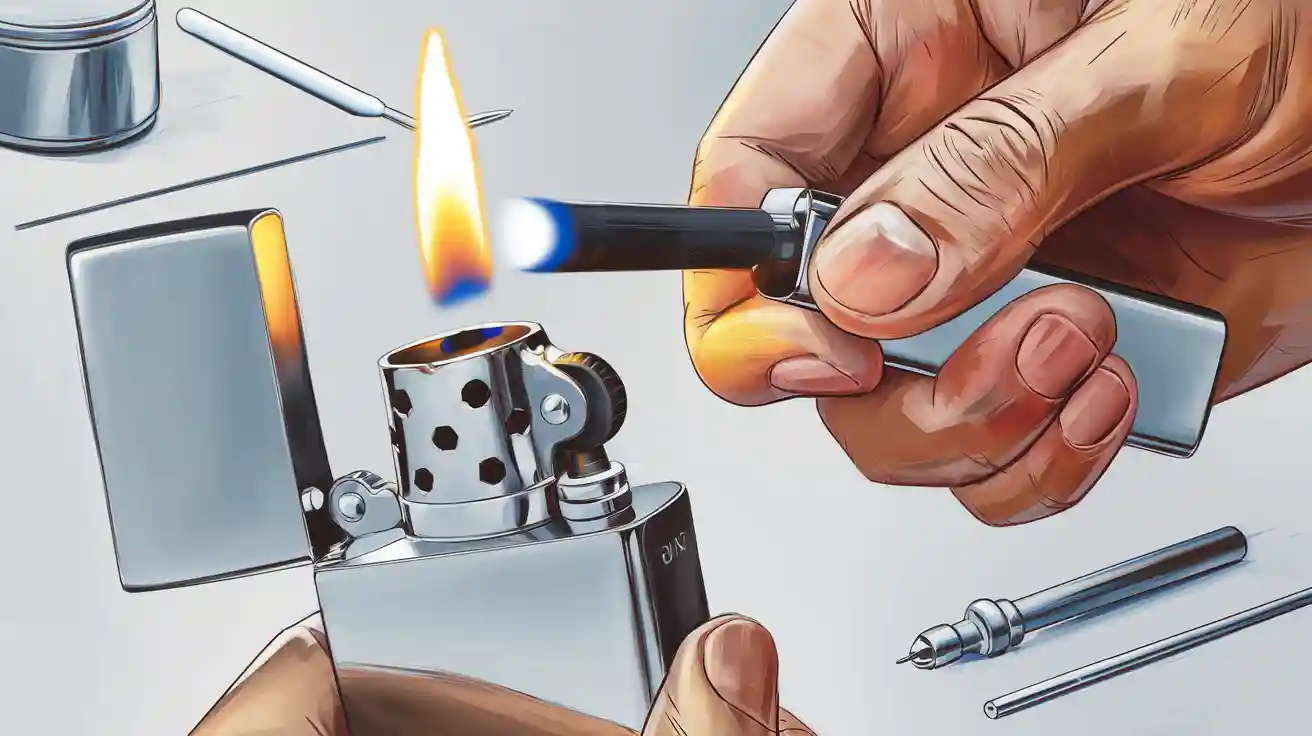
I can fix most problems with my butane torch lighter at home! I always start by looking for common issues with torch lighters. Sometimes, my lighter just needs more fuel, or maybe some air got inside. I also check if it is dirty or needs a little adjustment. I do not need many tools, and it is safe if I go slow. I feel happy when I learn how to fix butane torch lighter by myself. 🔥😊
How to Fix Butane Torch Lighter
When my torch lighter stops working, I do not panic. I know how to fix butane torch lighter with some easy steps. I always check the fuel, bleed the air, and clean the nozzle. I want to share my way with you!
Check Fuel
Signs of Low Fuel
I look for these signs when my torch lighter is low on fuel:
The flame is small or weak.
The flame goes out fast.
I hear a hissing sound, but no flame comes out.
The lighter does not light at all.
If I see these things, I know it is time to refill.
Proper Refilling Steps
I follow these steps to refill my torch lighter safely:
I turn off the lighter and let it cool.
I hold the lighter upside down.
I use a small tool to press the refill valve and let out old air and gas. This is called “bleeding.”
I shake my butane can and press it into the refill valve. I use high-quality butane to stop clogging.
I wait a few minutes after refilling before I use the lighter.
Tip: I always use good butane fuel. Bad fuel can make my lighter dirty and break it.
Bleed Air
Why Bleeding Matters
Bleeding is very important. If I do not bleed the air, my torch lighter may not work right. Air can get inside when I refill. This makes the flame weak or stops it from lighting. I learned that trapped air can make the flame adjuster not work.
Safe Bleeding Process
Here is how I bleed my torch lighter:
I turn the lighter upside down.
I use a small screwdriver or pen to press the refill valve.
I listen for a hissing sound. That is the air coming out.
I stop when I do not hear any more air.
I always do this before I refill. It keeps my lighter working well.
Clean Nozzle
Removing Debris
A dirty nozzle can stop my torch lighter from working. I see that dirt, dust, or old fuel can block the nozzle. When this happens, the flame is weak or does not come out.
I check the nozzle for black stuff or dust.
I clean it if I see anything stuck.
Tools for Cleaning
I use these tools to clean my torch lighter nozzle:
Tool | What I Do With It |
|---|---|
Toothpick | Pick out small dirt |
Compressed Air | Blow away dust and crumbs |
Small Brush | Brush off sticky stuff |
Note: I never use water to clean my butane lighter. Water can break it.
My Routine for How to Fix Butane Torch Lighter
I always follow these steps for how to fix butane torch lighter:
Check the fuel level.
Bleed the air before refilling.
Use only good butane.
Clean the nozzle and inside parts.
Adjust the flame slowly.
I read that some people open the lighter with a screwdriver to check inside. They clean the fuel line and look at the spark part. I do not do this unless I feel safe. I always let my lighter cool before I touch it.
🔥 Fun Fact: If I keep my torch lighter clean and use good fuel, it works better and lasts longer!
Fix a Torch Lighter That Won’t Spark

When my torch lighter won’t spark, I feel a little sad. But I know I can fix a torch lighter if I check the right things. Most times, I can make my lighter work again by looking at the ignition, unjamming the clicker, or changing old parts. Here is what I do:
Inspect Ignition
Check Piezo Device
First, I look at the piezo device. This is the part that makes the spark. If my torch lighter won’t spark, maybe the piezo is broken or not in the right place. I press the button and listen for a click. If I do not hear a click, I know something is wrong. Sometimes, the wire is not close enough to the burner. I move it a little closer. This helps the spark jump and light the butane. I read that if the wire is too far, the lighter not working is very common.
Clean Ignition Area
Next, I clean the ignition area. Dirt and dust can stop the spark. I use a small brush or compressed air. I blow out the burners and clean the nozzle. Even a tiny bit of sand can stop my lighter from working! I do this every time after I use my torch lighter. I saw that cleaning helps stop problems before they start. I also check for black stuff or sticky things near the spark part.
🧹 Tip: I always clean the ignition area before I try to fix a torch lighter that won’t spark.
Unjam Clicker
Bleed to Release Pressure
Sometimes, the clicker gets stuck. I think this happens when there is too much air inside. I turn my lighter upside down and press the refill valve with a pen. I hear a hiss. That is the air coming out. I stop when the sound is gone. This helps the clicker move again. I learned that trapped air can make the lighter act funny and not spark.
Free Stuck Mechanism
If the clicker still won’t move, I tap it gently. I do not hit it hard. I wiggle the button a little. Sometimes, I put a drop of oil on the moving parts. This makes the clicker smooth. I never use water because water can break my torch lighter.
Replace Parts
Ignition Clicker
If my torch lighter still won’t spark, I think the clicker is broken. I look for a new clicker at the store. I ask for help if I do not know how to change it. I read that changing old or broken parts helps my lighter last longer and work better.
Butane Hose
Sometimes, the butane hose is old or cracked. If I see this, I get a new hose. I make sure it fits tight. I do not want gas to leak. I always check the hose when I fix a torch lighter.
Problem | What I Do |
|---|---|
No spark | Check piezo and wire |
Dirty ignition area | Clean with brush or air |
Stuck clicker | Bleed air, tap gently |
Broken clicker or hose | Replace with new part |
🔧 Note: I always use good butane and check my lighter before I use it. This keeps my torch lighter safe and strong.
I learned that most times, when my torch lighter won’t spark, it is because of dirt, air, or old parts. I check and clean everything. I change broken things. Now, I feel happy because I know how to fix a torch lighter that won’t spark! 😃🔥
Adjust Flame Setting
Find Adjustment Dial
I always look for the flame adjustment dial first.
This dial helps me change how big or small my torch lighter flame is. I want to find it before I do anything else.
I turn my lighter over and look at the bottom.
Sometimes, I see a small wheel or screw. That is the dial.
Some lighters have a plus (+) and minus (–) sign near the dial.
If I cannot find it, I check the side of my lighter.
🔎 Tip: I use my fingernail or a small screwdriver to turn the dial. I do not use too much force.
Set Flame Height
I set the flame height to what I need.
A good flame makes my torch lighter work better and safer.
Here is how I do it:
I turn the dial toward the plus (+) sign for a bigger flame.
I turn the dial toward the minus (–) sign for a smaller flame.
I light my torch lighter and watch the flame.
I stop turning when the flame is strong but not too high.
Dial Direction | What Happens | My Feeling |
|---|---|---|
➕ Plus | Flame gets bigger | Good for cooking |
➖ Minus | Flame gets smaller | Good for candles |
🔥 Note: I never set the flame too high. Big flames can be dangerous.
Troubleshoot Flame Issues
If my flame is weak or too strong, I fix it right away.
I do not want to use a torch lighter that does not work right.
Here is what I check:
If the flame is too small, I add more butane or turn the dial up.
If the flame is too big, I turn the dial down.
If the flame flickers or goes out, I clean the nozzle and check for air.
If nothing works, I bleed the air and refill with good butane.
😕 Alert: If my lighter still does not work, I ask an adult for help or get a new one.
I always feel happy when I see a strong, blue flame. My torch lighter works best when I set the flame just right!
Address Leaks and Moisture
Detect Leaks
I always check for leaks in my butane torch lighter. Leaks can be very dangerous. I want to keep myself and my family safe. Here is how I do it:
I smell around my lighter. If I smell gas, I stop using it.
I listen for a hissing sound. Sometimes, gas leaks make this noise.
I put a little soapy water on the lighter joints. If I see bubbles, I know there is a leak.
I use a gas leak detector if I have one. These tools can find leaks fast. They use special sensors to find butane gas. I read that these detectors help stop fires and explosions. They are very important in places where people use gas a lot.
🛑 Tip: Butane is part of LPG. If I breathe too much butane, I can feel dizzy or sick. If butane mixes with air, it can explode. I always check for leaks before I use my lighter.
Fix Leaks
If I find a leak, I fix it right away. I do not want to wait. Here is what I do:
I turn off my lighter and let it cool.
I check the refill valve and the nozzle. Sometimes, they are loose. I use my fingers to tighten them.
I look for cracks or broken parts. If I see a crack, I stop using the lighter. I get a new one or ask an adult for help.
I change the rubber seal if it looks old or broken. The seal keeps the gas inside.
I test again with soapy water. If I still see bubbles, I do not use the lighter.
Problem | What I Do |
|---|---|
Loose valve | Tighten with fingers |
Cracked body | Stop using, replace |
Old rubber seal | Change to new one |
Still leaking | Ask adult or buy new one |
⚠️ Alert: I never use glue or tape to fix a gas leak. That is not safe.
Dry Wet Lighter
If my lighter gets wet, I dry it before I use it. Water can break my lighter or make it not work.
I shake out the water.
I put my lighter in a dry, warm place. I wait for a few hours.
I use a soft cloth to wipe the outside.
I never use a hair dryer or put it near fire. That is not safe.
I check the inside for water. If I see water, I wait longer.
💧 Note: If my lighter still does not work after drying, I get a new one. Safety is most important.
I always check for leaks and keep my lighter dry. This helps me stay safe and makes my torch lighter last longer!
Clean and Maintain Regularly

Routine Cleaning
I always clean my butane torch lighter to keep it working well. Dirt and dust can block the nozzle or make the flame weak. I do not want that to happen! I make a habit to clean my lighter every week.
Here is what I do:
I use a small brush to sweep away dust from the nozzle.
I blow air into the nozzle with a can of compressed air.
I check for sticky stuff or black marks and pick them out with a toothpick.
I wipe the outside with a dry cloth.
🧹 Tip: I never use water to clean my lighter. Water can break it or make it stop working.
I feel happy when my lighter looks clean and shiny. It works better and lights up fast!
Use Quality Butane
I always use high-quality butane for my torch lighter. Good butane keeps my flame strong and blue. Bad butane can make my lighter dirty or clog the nozzle.
Here is why I choose good butane:
High-quality butane has less dirt inside. My lighter burns clean and bright.
If I use bad butane, the flame can turn yellow or look like a candle. That is not good for cooking or crafts.
Sometimes, my flame gets weak or strange. I bleed the lighter and refill with good butane. The flame turns blue again!
I follow the rules from the lighter maker. They say to use only the best butane for a safe and strong flame.
Butane Type | What Happens to My Lighter |
|---|---|
High-quality | Clean, blue flame, no clogging |
Low-quality | Dirty nozzle, weak or yellow flame |
🔥 Note: I always read the label before I buy butane. I want my lighter to last a long time!
Store Properly
I store my butane torch lighter in a safe place. I do not leave it in the sun or near fire. Heat can make the lighter leak or even explode.
Here is how I store my lighter:
I keep it in a cool, dry drawer.
I make sure the lighter is off before I put it away.
I do not let little kids or pets touch it.
I keep the butane can away from the lighter.
📦 Alert: I never put my lighter in my pocket with keys or coins. That can press the button by mistake.
When I store my lighter the right way, I feel safe. My lighter stays clean and ready for next time!
When to Replace or Repair
Worn Parts
I should replace my torch lighter if the parts look old or broken.
I always check my lighter for these signs:
The spark button feels loose or does not click.
The flame adjuster will not turn.
The nozzle looks bent or has black stuff that will not come off.
The rubber seal is cracked or missing.
If I see any of these, I know it is time to get new parts or a new lighter. Sometimes, I can buy a new spark button or seal at the store. If I cannot fix it, I do not use the lighter. Safety comes first! 🔧
Tip: I keep a small box for extra parts. It helps me fix my lighter fast.
Damaged Carburetor
If the carburetor is damaged, I must stop using my lighter.
The carburetor mixes air and gas. If it breaks, my lighter will not work right. I look for these signs:
The flame jumps or makes a popping sound.
I smell gas even when the lighter is off.
The lighter gets hot very fast.
Problem with Carburetor | What I Do |
|---|---|
Broken or cracked | Stop using it 🚫 |
Makes strange noise | Ask for help |
Smells like gas | Replace lighter |
I never try to fix the carburetor by myself. It is hard and not safe. I ask an adult or buy a new lighter.
⚠️ Alert: If I think the carburetor is bad, I put the lighter away. I do not play with it.
Seek Professional Help
I ask for help if I cannot fix my lighter.
Sometimes, I try everything, but my lighter still does not work. I do not feel bad. I know some problems are too hard for me.
Here is when I ask for help:
The lighter leaks gas, and I cannot stop it.
The flame is wild or very weak, even after cleaning.
The lighter makes a loud noise or gets too hot.
I see broken wires or parts inside.
I go to a repair shop or ask an adult. Some stores fix lighters. Some lighters are cheap, so I just buy a new one.
🛠️ Note: I never use a broken lighter. I always ask for help if I feel scared or unsure.
In short:
I stop using a lighter with a bad carburetor.
I ask for help if I cannot fix it.
I want my torch lighter to be safe and strong. If I take care of it, it will last a long time! 😊🔥
I can fix my butane torch lighter by following these easy steps:
Check fuel and refill with good butane.
Bleed air before refilling.
Clean the nozzle with a brush or air.
Inspect for leaks using soapy water.
Adjust the flame height.
Replace old parts like seals.
Store my lighter in a cool, dry place.
🔧 I do these things often. My lighter works better and lasts longer. Most problems are easy to fix if I take my time. I feel proud when I fix things myself! 😊🔥
Related: how to light a cigarette with a flat iron
FAQ
How do I know if my butane torch lighter is empty?
I look for these signs:
No flame comes out
The flame is very small
I hear a hiss, but nothing lights
The lighter feels light
😕🔥
Can I use any butane for my torch lighter?
No, I only use high-quality butane.
Bad butane can clog my lighter and make the flame weak. Good butane keeps my lighter clean and strong. I always read the label before I buy.
Why does my lighter spark but not light?
Maybe there is no gas or the nozzle is dirty.
I check the fuel
I clean the nozzle
I bleed the air
I try again
🧐✨
Is it safe to fix my lighter by myself?
Yes, if I follow safety steps.
I let my lighter cool, use good tools, and never use fire when fixing. If I feel scared, I ask an adult for help. Safety first! 🛑
What should I do if my lighter leaks gas?
I stop using it right away.
I check for loose parts
I tighten the valve
I change old seals
If it still leaks, I get a new lighter
😬💨
How often should I clean my torch lighter?
I clean my lighter every week.
I use a brush and air to keep it clean. If I use it a lot, I clean it more. Clean lighters work better and last longer! 🧹
Can I refill my lighter while it is hot?
No, I always let it cool first.
Refilling a hot lighter is not safe. I wait a few minutes after using it. Then I refill with good butane. Safety is very important! ⏳
What if my lighter still does not work after fixing?
I ask for help or buy a new one.
Sometimes, I cannot fix it myself. I go to a repair shop or ask an adult. Some lighters are too old to fix. That is okay! 😊