How to Fix a Jet Torch Cigar Lighter That Won’t Work
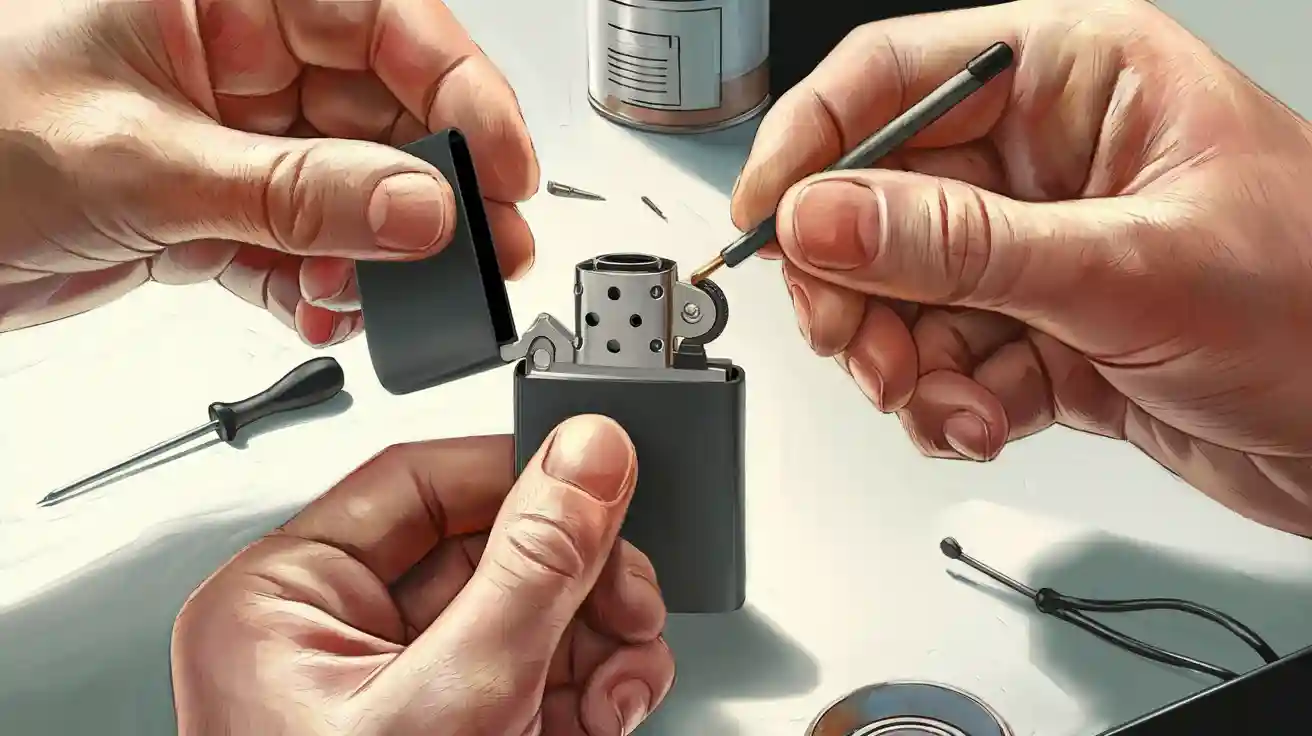
I can fix most jet torch cigar lighter not working problems at home! 🔥 When my clipper jet lighter stops, I do not panic. I always check for simple issues first. Safety is very important, so I work slow and careful. Sometimes my torch lighter has no flame, or my clipper jet lighter will not spark. Other times, my cigar lighter has weak fire. I learned to fix clipper jet lighter troubles step by step. I feel happy when I can light your cigar again! 😊
Quick Fixes for Jet Torch Cigar Lighter Not Working
Common Lighter Problems
I always check these things first when my jet torch cigar lighter not working.
I made a fast checklist for you. This helps me find the problem quick. Sometimes, my clipper jet lighter just needs a small fix. Here are the most common lighter problems I see:
🔥 No flame comes out of my torch lighter.
💨 Weak or small flame from my cigar lighter.
⚡ No spark when I try to light my clipper jet lighter.
🛑 My torch lighter makes noise but does not light.
🧊 My torch lighter feels cold and stops working.
🧴 I smell gas but my jet torch cigar lighter not working.
I use this table to help me troubleshoot:
Problem | What I Check First |
|---|---|
No flame | Is there fuel? |
Weak flame | Is the flame setting low? |
No spark | Is the spark wheel dirty? |
Makes noise, no light | Is burner clogged? |
Feels cold, not working | Is there air inside? |
Smells like gas | Is there a leak? |
When I see these common lighter problems, I do not worry. I know most issues are easy to fix at home. I just follow my checklist and start troubleshooting step by step. My clipper jet lighter and torch lighter both have these problems sometimes. I learned that even if my jet lighter not working, I can fix it if I stay calm.
Safety First
I always stay safe when I fix my torch lighter.
I want you to be safe too! Here are my safety tips:
🧯 I work in a place with lots of fresh air. This keeps me safe from gas.
🚫 I never use my torch lighter near fire or hot things when it is not working.
🧤 I keep my hands clean and dry before I touch my clipper jet lighter.
👀 I look for leaks before I start to troubleshoot.
🧹 I keep my tools ready and my space clean.
Tip: If I smell gas or see a leak, I stop right away. I do not try to fix my torch lighter until it is safe.
I always remember, fixing jet torch cigar lighter not working problems is easy if I follow safety rules. I do not rush. I check everything slow. I want my torch lighter to work, but I want to stay safe more.
Now, I am ready to start troubleshooting my clipper jet lighter and torch lighter. I feel happy when I fix these issues myself!
Refill Fuel

Signs of Low or Empty Fuel
When my jet torch cigar lighter does not work, the first thing I check is the fuel.
I know my lighter is out of fuel when:
The flame does not come out at all.
The flame is very weak and small.
I hear a hissing sound, but nothing lights.
My lighter feels light when I shake it.
I try to light it many times, but it never works.
🔍 Tip: If my lighter works for a second and then stops, it is probably out of fuel.
I always check these signs before I do anything else. If I see these, I know it is time to refill my lighter.
How to Refill Properly
Choosing Butane
I always use good butane for my jet torch cigar lighter.
I learned that butane-rich fuel is best. It does not have propane. This keeps the pressure low and safe inside my lighter. I never use cheap fuel because it can clog my lighter. I look for butane that says “triple refined” or “ultra pure” on the can. This helps my lighter last longer and work better.
Refilling Steps
I follow these steps to refill my lighter safely and fast:
I go to a place with lots of fresh air. I stay away from fire and hot things. 🌬️
I shake my lighter to make sure it is really out of fuel.
I turn my lighter upside down. I find the refill valve at the bottom.
I use a good butane can. I hold the can straight and press the nozzle into the valve.
I fill my lighter for about 5 seconds. I do not overfill. I stop when I see a little spray or when the lighter feels full.
I wait a few minutes before I use my lighter. This lets the butane warm up and the air go out.
I check my lighter for leaks. I look and smell for gas. If I see or smell gas, I do not use my lighter.
I keep my hands and the lighter clean. I do not touch the valve too hard. I do not cross-thread the valve.
I write the date on my lighter with a marker. This helps me remember when I last filled it.
I put my lighters in groups: new, half-full, and just refilled. This keeps me safe and helps me know which one to use.
🛑 Note: I never fill my lighter too much. I always leave a little space for the gas to expand. This keeps my lighter safe.
Step | What I Do | Why I Do It |
|---|---|---|
1 | Go outside or open window | Stay safe from gas |
2 | Shake lighter | Check if out of fuel |
3 | Turn lighter upside down | Find refill valve |
4 | Use good butane | Keep lighter clean |
5 | Fill for 5 seconds | Avoid overfilling |
6 | Wait before use | Let gas settle |
7 | Check for leaks | Stay safe |
8 | Handle valve gently | Prevent damage |
9 | Mark date | Track refills |
10 | Sort lighters | Stay organized |
I always remember, refilling my lighter the right way keeps me safe and makes my lighter last longer. If I do not follow these steps, my lighter can break or even leak gas. I want my lighter to work every time I need it!
Adjust Flame Height
Fixing Weak or Sputtering Flame
I can fix a weak or sputtering flame by adjusting the flame height on my torch lighter.
Sometimes, my torch lighter does not make a strong flame. I see the fire go out fast or look very small. This makes it hard to light my cigar. When I see these flame issues, I do not worry. I check the flame control first.
Here is what I do when my torch lighter has a weak flame:
I find the small dial or screw at the bottom of my lighter. This is the flame adjuster.
I turn the dial a little to the right (clockwise) to make the flame bigger. If the flame gets too high, I turn it back a little.
I test the lighter after each turn. I want a steady, blue flame that does not jump or go out.
I never turn the dial too much. If I do, the flame can get too big and be unsafe.
🔥 Tip: If my lighter still has a weak flame after I adjust it, I check if it needs more fuel or if the burner is dirty.
I learned that single jet flame lighters can get very hot, up to 2,600°F. This makes a strong, even burn for my cigar. Most people, about 92%, say they like using a butane torch lighter because it lights cigars better than matches.
Flame Control Settings
I always use the right flame control setting for my cigar size and the weather.
My torch lighter can have one, two, or even four flames. Each type works best for different cigars and places.
Here is a table I made to help me choose:
Lighter Type | Flame Temp (°F) | Wind Resistance | Best For | Notes |
|---|---|---|---|---|
Single Jet Flame | ~1,900-2,600 | Good (up to 20 mph) | Small cigars, inside | Focused flame, saves fuel |
Double Jet Torch | 2,500-3,000 | Very Good | Big cigars, outside | Quick, even lighting, 95% happy users |
Quad Jet Torch | N/A | Best | Thick cigars, windy days | Lights fast, best for strong wind |
I use a single jet for small cigars. I pick double or quad jets for big cigars or when it is windy. I like that butane fuel burns clean and does not change the taste of my cigar. My refillable torch lighter lasts longer than a cheap one.
😎 Note: I always adjust the flame lower for small cigars and higher for big ones. This keeps my cigar safe and helps me enjoy it more.
If I use the right flame control, my torch lighter works better and I do not waste fuel. I feel proud when I light my cigar fast and easy!
Bleed Air
Air Trapped in Lighter
Sometimes my jet torch cigar lighter will not work because air gets trapped inside.
When I refill my lighter, I sometimes push air in with the butane. This air takes up space and stops the butane from working right. My lighter might make a hissing sound, but no flame comes out. I feel confused when this happens. I learned that I need to bleed the air out.
Here are signs that tell me air is trapped in my lighter:
🔇 No flame, but I hear a hiss when I press the button.
🕯️ Flame is weak or goes out fast, even after I refill.
🧊 Lighter feels cold and still does not work.
🔄 I refill many times, but nothing changes.
Tip: If I refill my lighter and it still does not work, I always check for trapped air. Air inside makes my lighter act funny. I do not want to waste more butane.
I made a table to help me remember:
Symptom | What I Think |
|---|---|
Hissing, no flame | Air trapped inside |
Weak flame after refill | Air mixed with butane |
Lighter cold, no fire | Needs bleeding |
Bleeding Steps
I can fix my lighter by bleeding the air out.
I do this before I refill with new butane. Bleeding is easy and safe if I go slow.
Here is how I bleed my jet torch cigar lighter:
I take my lighter outside or open a window. Fresh air keeps me safe. 🌬️
I turn my lighter upside down. I find the refill valve at the bottom.
I use a small tool, like a pen tip or screwdriver. I press the valve gently. I hear a hiss. That is the air and old gas coming out.
I hold the valve for 3-5 seconds. I stop when the hissing sound is gone.
I shake my lighter. If I still hear gas, I press the valve again for a few seconds.
I wait one minute. I want all the air and old gas to leave.
I refill my lighter with fresh butane. I follow the steps from before.
⚠️ Note: I never use sharp things like knives or needles. I do not want to break the valve.
Here is a quick list for bleeding:
Go outside or open window
Turn lighter upside down
Press refill valve with tool
Listen for hiss
Wait for sound to stop
Shake and repeat if needed
Refill with butane
I feel happy when my lighter works again after I bleed the air. Bleeding makes my torch lighter strong and safe. If my lighter still does not work, I check for other problems. I always try bleeding first when my lighter acts strange after a refill. 😊
Clean Burners and Jets

Clogged Burner Symptoms
When my jet torch cigar lighter does not work, I check for clogged burners first.
I see some signs when my burner is dirty or blocked. These help me know if I have problems with my lighter.
🔥 The flame is weak or sputters.
🔵 The flame is not blue. Sometimes it is big and yellow.
🌀 The flame shape looks strange or uneven.
🚫 No flame comes out, but I hear gas.
🔍 I check the nozzle and see dirt or black stuff.
If I see these things, I know my burner or jet is clogged. I always check the flame height and color. A good lighter makes a strong blue jet flame. If I see a big yellow flame, I know something is wrong.
Cleaning Tools
I use simple tools to clean my jet torch cigar lighter.
I do not need many things. Here is what I use:
Tool | What I Use It For |
|---|---|
Compressed air can | Blow out dust and dirt |
Cotton swab | Wipe the nozzle clean |
Isopropyl alcohol | Clean sticky stuff |
Fine wire or needle | Remove hard clogs |
Tissue or cloth | Dry and wipe lighter |
🧰 I keep these tools in a small box. I use them only for my lighter. I do not use sharp things like knives because they can break my lighter.
Cleaning Steps
I follow these steps to clean my burner and jets.
Cleaning helps my lighter work better and last longer.
I make sure my lighter is empty. I bleed out all the gas and air.
I take my lighter outside or open a window. I want fresh air.
I use a can of compressed air. I blow air into the nozzle and jets. This pushes out dust and dirt.
I dip a cotton swab in isopropyl alcohol. I wipe the nozzle and burner tip. This removes sticky stuff.
If I see hard dirt, I use a fine wire or needle. I poke gently in the jet hole. I do not push too hard.
I wipe everything dry with a tissue or cloth.
I refill my lighter with good butane. I check the flame. It should be blue and strong.
😊 After I clean my lighter, it works much better. The flame is strong and blue. I do not see sputtering or strange shapes. If I still have problems, I check for other issues or ask for help.
Regular cleaning keeps my lighter safe. I clean my burner every month or when I see problems. I feel happy when my lighter works like new!
Check Spark and Ignition
No Spark Issues
If my jet torch cigar lighter does not make a spark, I check these things first:
I look at the fuel. If my lighter has no butane, it will not spark or light.
I bleed the air. Sometimes, air gets trapped inside. I press the refill valve to let the air out.
I check the spark wheel. If it looks worn out or not straight, I know it will not work well.
I clean the air intake. I use a small brush or compressed air to blow out dust and lint.
I adjust the flame height. If the flame is too low, the spark cannot light the gas.
I try to light my lighter. If it works, I feel happy! If not, I keep checking.
🔍 Tip: If I see no spark at all, I know there is a problem with the ignition. Sometimes, I see a little spark, but it is not strong enough. I always check these steps before I do anything else.
Here is a table I use to help me:
Problem | What I Do First |
|---|---|
No spark | Check fuel and bleed air |
Weak spark | Clean spark wheel |
No light | Adjust flame height |
Cleaning Spark Wheel
I clean my spark wheel to help my lighter work better.
If my spark wheel is dirty, it cannot make a good spark. I see dust, lint, or black stuff on the wheel. I use these steps to clean it:
I make sure my lighter is empty and safe.
I use a can of compressed air. I blow air on the spark wheel and around the jet.
I use a small brush or a dry toothbrush. I brush the wheel gently to remove dirt.
I wipe the area with a tissue or cloth.
I check the wheel. If it looks clean and shiny, I try to light my lighter.
🧼 Note: I clean my spark wheel every month. This keeps my lighter working for a long time. My friend told me he had no ignition failure for years because he cleaned his lighter often.
Adjusting Electrode
Sometimes, my lighter still does not spark. I check the electrode.
The electrode is the small metal part near the jet. It makes the spark jump to the gas. If it is too far away or bent, my lighter will not light.
Here is how I adjust the electrode:
I look at the electrode. It should be close to the jet, but not touching it.
I use a small tool, like a toothpick or tweezers. I move the electrode gently. I do not use too much force.
I make sure the gap is about 2-3 millimeters. This is the best space for a strong spark.
I try to light my lighter. If I see a bright spark, I know I fixed it.
Step | What I Check | What I Do |
|---|---|---|
1 | Electrode position | Look for bent or far |
2 | Gap size | Adjust to 2-3 mm |
3 | Spark test | Try to light |
⚡ Tip: I always handle the electrode gently. If I break it, my lighter will not work. I learned that keeping the jet and spark area clean helps the electrode work better.
If I follow these steps, my jet torch cigar lighter works again. I feel proud when I fix the spark and ignition myself!
Jet Lighter Not Working After Troubleshooting
If my jet lighter not working after all my troubleshooting, I do not give up! I know there are still things I can check. Sometimes, my lighter not working means there is a bigger problem. Here is what I do next:
Inspect for Leaks
First, I always check for leaks.
Leaks can be very dangerous. If I smell gas or see bubbles, I stop using my lighter right away. I do not want to get hurt.
Here is how I check for leaks:
I fill a small bowl with water.
I make sure my lighter is full of butane.
I hold my lighter upside down and put the valve in the water.
I look for bubbles. If I see bubbles, my lighter has a leak.
I dry my lighter and do not use it until I fix the leak.
🚨 Tip: If I find a leak, I do not try to repair it myself. I know it is safer to get a new lighter or ask a professional.
Mechanical Faults
If I do not see leaks, I check for mechanical faults.
Sometimes, parts inside my lighter break or get stuck. I look at the button, the spark wheel, and the flame adjuster.
Here is a table to help me remember what to check:
Part | What I Look For | What I Do |
|---|---|---|
Button | Stuck or loose | Press gently, wiggle |
Spark wheel | Worn out or broken | Try to spin, clean again |
Flame adjuster | Won’t turn or broken | Move slowly, do not force |
If I see broken parts, I know my lighter needs repair. Sometimes, I can fix small issues, like cleaning or moving a stuck button. If something is broken inside, I do not open the lighter. I do not want to make it worse.
When to Seek Professional Help
If my lighter still does not work, I ask for help.
I know some problems are too hard for me to fix. I do not want to get hurt or break my lighter more.
Here is when I ask a professional:
My lighter leaks gas and I cannot stop it.
The button or spark wheel is broken.
The flame adjuster will not move at all.
I tried all troubleshooting steps and nothing works.
🛠️ Note: I take my lighter to a repair shop or ask the store where I bought it. Sometimes, they can repair it. Sometimes, I need to buy a new one.
I feel proud when I fix my lighter, but I know it is smart to ask for help when I need it. If my lighter not working after all my tries, I do not feel bad. I learned a lot from troubleshooting and repair. Next time, I can fix more issues by myself! 😊
Prevent Lighter Not Working Again
Regular Maintenance
I always do regular maintenance to keep my lighter working.
If I take care of my clipper jet lighter, it does not break easy. Here is what I do:
I fill the butane tank right after I buy my lighter. Lighters come empty because of safety rules.
I use a screwdriver to adjust the fuel valve. I turn it a little to get the best flame. If I open it too much, the flame gets too big or too small.
I clean the igniter and burner with compressed air. I blow out dust and lint. This stops the burner from getting clogged.
I bleed the air before I refill. I press the valve until I hear no more air. I wait a bit, then fill with gas.
🧹 Tip: I clean my clipper jet lighter every month. If I see dirt or the flame looks funny, I clean it right away. This helps me avoid problems like no spark, weak flame, or fuel not coming out.
Storage Tips
I store my lighter the right way so it lasts longer.
If I put my clipper jet lighter in a good place, it works better and does not get broken.
I keep my lighter in a cool, dry place. If it gets too hot, the gas can go bad or leak.
I do not put my lighter near fire or in the sun. This keeps the pressure safe inside.
I clean the place where I keep my lighter. If dust and dirt get in, my lighter can clog and not work.
I check the flint and wick sometimes. If they look old, I change them. This helps my lighter spark every time.
I use fresh butane. Old gas can make the flame weak or not work at all.
Storage Problem | What Happens | What I Do |
|---|---|---|
Too much dust | Lighter clogs, no flame | Clean storage box |
Hot place | Gas leaks, lighter breaks | Store in cool, dry spot |
Old fuel | Weak flame, misfire | Use new butane |
😃 Note: If I store my lighter well, I do not see problems like misfiring or strange flames. My lighter works fast when I want to light your cigar.
Use Quality Butane
I always use good butane for my lighter.
If I use cheap gas, my clipper jet lighter gets clogged and does not work. I look for butane that says “triple refined” or “ultra pure.” This keeps my lighter clean inside.
Good butane burns clean. My flame is blue and strong.
Cheap butane has dirt. It blocks the jets and makes the flame yellow.
I buy butane from a store I trust. I do not use old cans.
🔥 Tip: If I use quality butane, my lighter lasts longer. I do not have to fix it so much. My lighter is always ready when I want to light your cigar.
I can fix most jet torch cigar lighter problems at home! Here is what I always do:
Check fuel, flame, and spark.
Clean and bleed my lighter.
Use good butane and store it safe.
I keep my cigar lighter working with regular cleaning and care. If you have a tip or question, please write in the comments. I want to help! 😊
FAQ
Why does my jet torch lighter stop working after refilling?
Sometimes air gets trapped inside.
I always bleed the air out before I refill. If I forget, my lighter will not work right. I press the refill valve to let the air out. Then I fill with butane. 😊
How often should I clean my jet torch lighter?
I clean my lighter every month.
If I use it a lot, I clean it more. I use a cotton swab and compressed air. This keeps my flame strong and blue. 🧹
What butane should I use for my lighter?
I use triple refined or ultra pure butane.
Cheap butane has dirt. It can clog my lighter. Good butane keeps my lighter clean and safe. I always check the label before I buy. 🔥
My lighter sparks but no flame comes out. What should I do?
I check the fuel and bleed the air.
No flame means no gas or too much air inside. I refill with good butane and bleed the air first. If it still does not work, I clean the burner. 💡
Can I fix a broken spark wheel myself?
I can clean it, but I do not fix broken parts.
If my spark wheel is dirty, I brush it. If it is broken, I ask a repair shop for help. I do not want to break my lighter more. 🛠️
Why does my lighter flame look yellow instead of blue?
A yellow flame means the burner is dirty.
I clean the burner with a cotton swab and alcohol. I use good butane. A blue flame is best for lighting cigars. 🔵
Is it safe to store my lighter in a hot car?
No, it is not safe.
Heat can make the gas leak or even explode. I always keep my lighter in a cool, dry place. I never leave it in the sun or a hot car. 🚗❌
What should I do if my lighter leaks gas?
I stop using it right away.
I check for bubbles in water. If I see a leak, I do not try to fix it myself. I ask a professional or buy a new lighter. Safety first! 🧯