Torch lighter not sparking
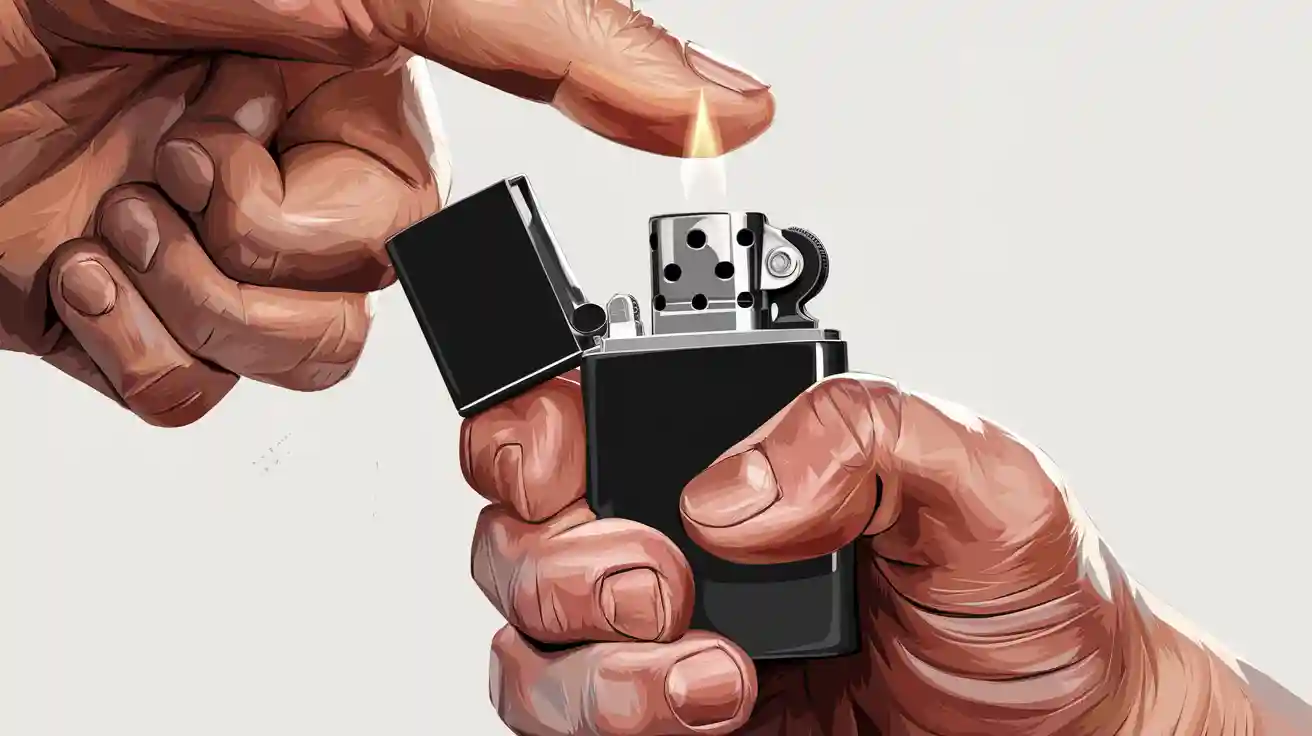
I know how annoying it feels when my torch lighter just stops working and will not spark. Sometimes, I try again and again, but nothing happens. My torch lighter sits in my hand, and I wonder what went wrong. When I see my torch lighter not sparking, I feel confused and a bit upset. 😕 Good thing is, most problems are easy to fix at home. I like to check things step by step, and I always stay safe. 🔥
Common Issues with Torch Lighters
When my torch lighter does not work, I always check for the most common issues first. Most torch lighter problems come from three big areas: fuel, ignition, and mechanical parts. I want to share what I learned about each one.
Fuel Problems
I see fuel problems a lot. Sometimes my torch lighter runs out of gas. Other times, the nozzle gets clogged, so the gas cannot come out. If I use bad fuel, my lighter can get dirty inside. I always check the fuel level first. If I hear no gas sound, I know there is a problem with the fuel.
Empty fuel tank
Clogged nozzle
Bad or dirty butane
💡 Tip: I always use good butane to stop fuel problems.
Ignition Problems
Ignition is the part that makes the spark. If my torch lighter does not spark, I look at the ignition system. Sometimes the spring is loose or broken. Sometimes the flint is worn out or dirty. The piezo igniter can also stop working. If the electrode is not in the right place, the spark will not jump.
Bad or loose spring
Dirty or worn flint
Faulty piezo igniter
Misaligned electrode
I learned that ignition problems are very common. Many people have trouble with the spark. If the lighter does not click or spark, I know it is an ignition issue.
Mechanical Issues
Mechanical issues mean something is wrong with the parts inside. The striker wheel can wear out. The button can get stuck. Sometimes, the lighter gets damaged if I drop it. If I see broken or bent parts, I know there is a mechanical problem.
Worn striker wheel
Stuck button
Broken or bent parts
Here is a table I found about lighter problems and accidents. It shows how serious some issues can be:
Cause of Failure | Number of Incidents | Injuries | Deaths | Notes |
|---|---|---|---|---|
Explosion due to pressure/volumetric displacement | Most frequent cause | 107 injuries (in 103 incidents) | 3 deaths (all from this cause) | Leading cause of serious injury and death in reported incidents |
Fuel leakage leading to ignition and flaring | Not quantified | Some serious injuries | 0 deaths reported | Resulted in ignition and flaring of lighter |
Accidental ignition of clothing or fuel spray | 1 death reported | N/A | 1 death | Example: 76-year-old woman died from burns after lighter ignited clothing or sprayed fuel |
Total incidents (1997-2002) | 256 | 107 | 4+ (including NFIRS data) | Includes 153 incidents with no injuries; majority of injured aged 15-64 years |
⚠️ Note: Most torch lighter problems do not cause injury, but I always stay careful.
I will talk about each of these common lighter issues in more detail soon. I want to help you fix your torch lighter fast and safe!
Quick Checks
When my torch lighter does not spark, I do some quick checks before I try to fix it. These checks help me find the problem fast. Here is what I do:
Fuel Level
First, I always check the fuel level.
If my torch lighter has no gas, it will not work. I pick up my lighter and shake it a little. Sometimes, I can hear the liquid inside. If I do not hear anything, I think the fuel is empty. I look for a small window on the lighter. Some torch lighters have a clear spot where I can see the fuel. If I see nothing in the window, I know I need to refill.
I shake the torch lighter.
I look for a fuel window.
I try to press the button and listen for a hissing sound.
🔋 Tip: If I do not hear a hiss, my torch lighter might be out of gas.
Spark Mechanism
Next, I check the spark mechanism.
The spark is very important for ignition. If I press the button and see no spark, I know there is a problem with the ignition. I look at the part where the spark comes out. Sometimes, I see dirt or dust. I use a small brush to clean it. If my torch lighter has a flint wheel, I spin it and watch for sparks. If I see nothing, maybe the flint is worn out or the spring is loose.
Here is what I do:
Press the ignition button and look for a spark.
Spin the flint wheel if my lighter has one.
Clean the spark area with a brush.
✨ Note: No spark means the ignition system has issues.
Gas Flow
Then, I check the gas flow.
Even if my torch lighter has fuel, gas must come out for ignition. I press the button and listen for a soft hissing sound. If I hear nothing, maybe the nozzle is blocked. I look at the nozzle and see if there is dirt. Sometimes, I use a toothpick to clean it. If I still hear nothing, maybe the gas is not reaching the ignition area.
Press the button and listen for gas.
Look at the nozzle for blockages.
Clean the nozzle gently.
Check | What I Do | What It Means |
|---|---|---|
Fuel Level | Shake, look, listen | No gas = refill needed |
Spark Mechanism | Press, spin, clean | No spark = ignition issues |
Gas Flow | Listen, look, clean | No hiss = gas flow problem |
🛠️ Tip: I always do these checks before I try to fix bigger issues.
These quick checks help me find out why my torch lighter is not sparking. I can fix many problems just by checking fuel, ignition, and gas flow. If I see damage, I stop and look for broken parts. I feel happy when my torch lighter works again!
Visible Damage
I always check my torch lighter for visible damage. This step is very important. If my lighter looks broken, it will not work right. If I see any cracks, dents, or loose parts, I know something is wrong. 🔍
Here is what I do when I look for damage:
I look at the body.
I turn my lighter in my hand. I look for cracks or dents. If I see a crack, I stop using the lighter. Cracks can make gas leak out. That is not safe.I check the button.
I press the button. If it feels stuck or loose, I know there is a problem. Sometimes, the button does not pop back up. That means something inside is broken.I look at the nozzle.
I look at the place where the flame comes out. If the nozzle is bent or dirty, the gas cannot come out right. I use a small brush to clean it. If it is bent, I do not try to fix it myself.I check the spark area.
I look at the part where the spark jumps. If I see black marks or burn spots, I know the lighter got too hot. Sometimes, the metal is bent. That can stop the spark.I shake the lighter.
I listen for loose parts inside. If I hear something rattle, I think a part broke off. I do not use the lighter if it sounds funny.
Here is a table to help you remember what to look for:
Part to Check | What I Look For | What It Means |
|---|---|---|
Body | Cracks, dents | Not safe, can leak gas |
Button | Stuck, loose | Broken inside, won’t work |
Nozzle | Bent, dirty | Gas can’t come out |
Spark Area | Burn marks, bent metal | Spark won’t jump |
Inside (shake) | Rattling sound | Loose or broken part |
⚠️ Tip: If I see any damage, I stop using my torch lighter. I do not want to get hurt. I ask an adult or a repair shop for help.
Sometimes, I feel sad when I see my lighter is broken. But I know it is better to be safe. I do not try to fix big damage by myself. Small things, like dirt, I can clean. Big things, like cracks or broken buttons, need a new lighter or a repair.
So, I always check for visible damage before I use my torch lighter. This keeps me safe and helps my lighter last longer. If you see something wrong, please do not use the lighter. Safety is always first! 😊
Torch Lighter Not Sparking: Causes

Bad or Loose Spring
A bad or loose spring can stop my torch lighter from making a spark. When I press the button, the spring pushes the flint wheel or striker. If the spring is weak, broken, or not tight, the wheel will not spin fast. I get a weak or no spark. This is one of the most common lighter problems I see.
Here is how I know the spring is bad or loose:
The button feels soft or mushy.
The flint wheel does not spin well.
I press, but nothing happens.
🌀 Tip: If I feel the button is too easy to press, I check the spring first.
A bad spring means the ignition system cannot work right. My torch lighter not sparking often comes from this problem. I will show how to fix it in the next section.
Dirty Flint Wheel
A dirty flint wheel can also cause torch lighter not sparking. The flint wheel makes the spark when I spin it. If dirt, dust, or old flint powder covers the wheel, the spark gets weak or stops. I see this problem a lot when I use my lighter outside or keep it in my pocket.
Signs of a dirty flint wheel:
The wheel feels rough or sticky.
I see black dust or dirt on the wheel.
Sparks look small or do not show at all.
Problem Sign | What I See or Feel |
|---|---|
Rough wheel | Hard to spin |
Black dust | On wheel or fingers |
No spark | Even with new flint |
🧹 Note: I use a small brush or even a toothbrush to clean the wheel. This helps the ignition work better.
If I do not clean the wheel, I get more lighter problems. My torch lighter not sparking makes me feel upset, but cleaning is easy.
Faulty Piezo Igniter
A faulty piezo igniter is a big reason for ignition failure. The piezo igniter is the part that makes a small electric spark when I press the button. If it breaks, I get no spark at all. Sometimes, I hear a click but see nothing. Other times, I hear nothing and see nothing.
How I spot a faulty piezo igniter:
I press the button and hear no click.
I see no spark, even with good fuel.
The lighter worked before, but now it does not.
⚡ Alert: If the piezo igniter is broken, I cannot fix it myself. I need to replace it or get a new lighter.
This is one of the hardest lighter problems for me. When my torch lighter not sparking comes from a bad piezo igniter, I know the ignition system needs help.
These are the main causes I check when my torch lighter not sparking. I always look at the spring, the flint wheel, and the piezo igniter first. I will share how to fix each problem in the next part!
Misaligned Electrode
A misaligned electrode can stop my torch lighter from making a spark. The electrode is a tiny metal part. It helps the spark jump and light the gas. If the electrode moves out of place, the spark cannot jump right. My torch lighter not sparking happens a lot because of this.
When I look at my lighter, I check if the electrode is bent or not pointing at the right spot. Sometimes, I drop my lighter and the electrode moves. Sometimes, dirt or heat makes it bend. If the gap between the electrode and the nozzle is too big or too small, the spark gets weak.
Here is what I notice when the electrode is not in the right place:
I press the button, but I see no spark.
The spark looks weak or jumps to the wrong spot.
The lighter makes a clicking sound, but nothing lights up.
😕 Tip: If I see the electrode is not straight, I know this is the problem.
I learned that experts use special tools to check this problem.
High-voltage spark tests show weak or no sparks when the electrode is not lined up.
Oscilloscope tests show the spark is not strong or is too short.
Heat cameras show the electrode gets too hot in the wrong place.
These tests show that a misaligned electrode makes my torch lighter not sparking. I always check the electrode if my lighter will not light. If I see it is bent, I try to fix it or ask for help.
Worn Striker Wheel
A worn striker wheel is another big reason for lighter problems. The striker wheel is the rough part I spin with my thumb. It rubs against the flint to make a spark. If I use my lighter a lot, the wheel gets smooth and shiny. When this happens, it cannot make a good spark.
I know my striker wheel is worn out when:
The wheel feels smooth, not rough.
I spin the wheel, but I see no spark.
The wheel slips or does not catch the flint.
Here is a table to help me remember what to look for:
Problem | What I See or Feel | What Happens |
|---|---|---|
Worn striker wheel | Smooth, shiny surface | No spark, wheel slips |
Good striker wheel | Rough, gritty surface | Strong spark, easy to light |
🔥 Note: If my striker wheel is worn, I need to replace it. Sometimes, I can clean it with a brush, but if it is too smooth, I get a new one.
When my torch lighter not sparking, I always check the striker wheel. This small part can cause big trouble. I feel happy when I fix it and my lighter works again!
Troubleshooting and Fixes
Tighten or Replace Spring
I fix my torch lighter by tightening or replacing the spring. This is one of the first things I try when my lighter will not spark. The spring pushes the flint against the wheel. If the spring is loose or broken, the wheel cannot make a good spark.
Here is how I do it:
I open the lighter and find the flint spring.
I take out the spring and look for dirt or small pieces of flint.
I clean the flint tube and the wheel with a small brush.
I check if the spring is bent or broken.
If the spring looks bad, I put in a new one.
I put the spring and flint back in and close the lighter.
I make sure the wheel spins smooth and the button feels strong.
🛠️ Tip: Sometimes, I need to loosen or tighten the screw near the flint wheel. This helps the wheel move better.
Here is a table to help me remember what to check:
Step | What I Look For | What I Do Next |
|---|---|---|
Remove spring | Dirt, flint pieces | Clean with brush |
Check spring | Bent, broken, weak | Replace if needed |
Reinsert spring | Spring fits tight | Tighten screw if too loose |
Test wheel | Spins easy, no jam | Adjust screw if needed |
Removing the spring lets me see if anything is blocking the wheel.
Cleaning the wheel and tube helps the wheel spin.
Putting the spring back tight makes the flint touch the wheel right.
Tightening the screw keeps the spring strong.
When I do these steps, my lighter usually works again! 🔧
Clean Flint Wheel
I clean the flint wheel when my lighter will not spark. Dirt and dust can stop the wheel from making a good spark. I see this a lot when I use my lighter outside or keep it in my pocket.
Here is how I clean the flint wheel:
I open the lighter and find the flint wheel.
I use a small brush or an old toothbrush to clean the wheel.
I brush away black dust and dirt.
I spin the wheel to see if it moves smooth.
I put the lighter back together and try to make a spark.
🧹 Tip: I do not use water to clean the wheel. Water can make the lighter rust.
If the wheel still feels rough or sticky, I clean it again. Sometimes, I need to take out the flint and clean inside the tube too. When the wheel is clean, the spark is strong and bright.
Problem | What I Do | Result |
|---|---|---|
Dirty flint wheel | Brush and clean | Wheel spins easy |
Black dust | Wipe with dry cloth | No more dust |
Weak spark | Clean again if needed | Spark gets stronger |
A clean flint wheel helps my lighter work better! ✨
Replace Piezo Igniter
I replace the piezo igniter if my lighter still will not spark. The piezo igniter makes a small electric spark when I press the button. If it is broken, I get no spark at all.
Here is how I know I need to replace it:
The button feels soft and does not click.
I see no spark, even with new fuel and a clean wheel.
The lighter worked before, but now nothing happens.
When I open the lighter, I look at the plastic near the button. If it is cracked or broken, the igniter will not work. Sometimes, the black tube inside is loose or not connected. If I fix the tube and still get no spark, I know the igniter is bad.
Here is what I do:
I take out the old piezo igniter.
I put in a new one, making sure the wires and tubes are tight.
I close the lighter and press the button to test for a spark.
⚡ Note: The piezo igniter needs a good path for electricity. If the tube or wires are broken, the spark will not jump.
If the button does not click, the inside parts may be broken.
If I refill the lighter and still get no spark, the igniter is at the end of its life.
The igniter and its parts must be tight and not loose.
When I replace the piezo igniter, my lighter can make a spark again. This helps the ignition work right and makes me happy! 😃
Adjust Electrode
I fix my torch lighter by adjusting the electrode. Sometimes, the electrode is not in the right place. When this happens, my lighter will not make a spark. I feel a little sad when I see no spark. But I can fix it!
Here is how I adjust the electrode:
I look at the tip of my lighter. I find the small metal piece. This is the electrode.
I check if the electrode is bent or too far from the nozzle.
I use a toothpick or a small tool to move the electrode. I make sure it points right at the nozzle.
I keep the gap small, about as wide as a piece of paper. If the gap is too big, the spark will not jump.
I press the button and watch for a spark. If I see a spark, I feel happy!
😊 Tip: I do not use my fingers to touch the electrode. It can be sharp or dirty.
If I still see no spark, I check the electrode again. Sometimes, I need to try a few times. When the electrode is in the right place, my lighter works better. The ignition is strong and fast.
Realign or Replace Striker Wheel
I fix my lighter by realigning or replacing the striker wheel. The striker wheel is the part I spin with my thumb. If it is not in the right place, or if it is too smooth, my lighter will not spark.
Here is what I do:
I look at the striker wheel. If it looks crooked, I try to move it back in place.
I use a small screwdriver to loosen the screw near the wheel.
I move the wheel so it lines up with the flint.
I tighten the screw again.
I spin the wheel. If it feels rough and makes a spark, I am happy.
If the wheel is too smooth or broken, I replace it:
I take out the old wheel.
I put in a new, rough wheel.
I make sure it sits tight and lines up with the flint.
I test the lighter. If I see sparks, I smile!
Problem | What I Do | What Happens |
|---|---|---|
Crooked wheel | Realign with screwdriver | Wheel spins right |
Smooth wheel | Replace with new wheel | Sparks come back |
🔧 Note: If I cannot fix the wheel, I ask an adult for help.
Purge and Clear Blockages
I fix my torch lighter by purging and clearing blockages. Sometimes, dirt or old fuel blocks the nozzle. When this happens, gas cannot come out. My lighter will not work.
Here is how I clear blockages:
I use a small brass wire brush to clean the nozzle and tip. This takes away dirt and slag.
I use a tip cleaner that fits the nozzle. I push it inside to clear out carbon.
If the nozzle is still blocked, I ask an adult to help me use an ultrasonic cleaner. This shakes out the hard dirt.
Sometimes, I use a water pressure tool to push out the slag from the nozzle holes.
These steps help my lighter work again. I see the gas flow better. My lighter stops popping and starts working like new.
🧼 Tip: I clean my lighter every day if I use it a lot. This keeps it safe and strong.
Cleaning Tool | What It Does |
|---|---|
Brass wire brush | Removes dirt and slag |
Tip cleaner | Clears carbon inside nozzle |
Ultrasonic cleaner | Shakes out hard dirt |
Water pressure tool | Pushes out stuck slag |
When I keep my lighter clean, I do not have problems with gas flow. My torch lighter works every time I need it!
Adjust Flame Setting
I always check and adjust the flame setting when my torch lighter does not spark. 🔥
Why do I do this?
Sometimes, the flame setting is too low or too high. If it is too low, the gas does not reach the spark. If it is too high, the lighter can pop or not light at all. I want my lighter to work just right.
How do I adjust the flame setting?
I follow these steps:
Find the flame adjuster.
Most torch lighters have a small dial or screw at the bottom. Sometimes, it looks like a plus (+) and minus (–) sign.Turn off the lighter.
I make sure my lighter is cool and not burning.Use a small tool.
I use a flat screwdriver or even my fingernail. I turn the dial a little bit.Turn to the plus (+) for a bigger flame.
I turn to the minus (–) for a smaller flame.Test the lighter.
I press the button and see if the flame comes out. If not, I turn the dial a little more.Repeat until the flame is just right.
I want a steady, blue flame. Not too big, not too small.
💡 Tip: I never turn the dial too much at once. Small turns work best.
Here is a table to help me remember:
Problem | What I Do | What Happens |
|---|---|---|
No flame | Turn up the dial (+) | Flame comes out |
Flame too big | Turn down the dial (–) | Flame gets smaller |
Flame pops | Set to middle | Flame is steady |
Safety first!
I always keep my face and hands away from the nozzle when I test the flame. I do not point the lighter at people or pets. If I smell gas, I stop and check for leaks.
⚠️ Note: If the flame adjuster is stuck or broken, I do not force it. I ask an adult for help or get a new lighter.
Adjusting the flame setting helps my torch lighter spark and burn better. I feel proud when I fix it myself! 😃
Cleaning and Maintenance

Remove Debris
I always remove debris from my torch lighter to keep it working well. If I see dust or dirt, I clean it right away. When I do this, my lighter makes a strong flame and does not get clogged.
Here is my cleaning routine:
I clean my lighter when the fuel gets low. Old fuel can make it dirty.
I flip my lighter upside down and press the fuel valve with a small tool. I wait until the hissing stops. This gets rid of air pockets.
I shake my lighter and do the bleeding again. I want no air inside.
I turn the flame control to the lowest. I press the butane nozzle to let out any air or old fuel.
I use compressed air to blow out dust and lint from the chamber.
I wipe my lighter with a clean cloth. I finish with another blast of air to take away any cloth bits.
I check the nozzle for dirt. If I see a blockage, I use a pin to clean it.
I use a small brush to clean around the adjustment wheel.
🧹 Tip: I do these steps every time I refill my lighter. My lighter stays clean and works better!
Step | What I Use | Why I Do It |
|---|---|---|
Bleed air | Small tool | No air pockets |
Blow out dust | Compressed air | Clean chamber |
Wipe surface | Clean cloth | No fingerprints or smudges |
Clean nozzle | Pin or needle | No blockages |
Brush wheel | Small brush | No jamming |
Regular cleaning helps my lighter last longer and keeps the flame strong. 😊
Lubricate Parts
I like to keep my lighter parts moving smooth. Sometimes, the wheel or button feels sticky. When this happens, I use a tiny drop of oil. I put it on the moving parts, like the striker wheel and the button.
I use only a little oil. Too much can make it messy.
I wipe away extra oil with a soft cloth.
I spin the wheel and press the button to spread the oil.
🛠️ Note: I never put oil near the flame or inside the fuel tank. That is not safe.
When I do this, my lighter feels new. The wheel spins easy, and the button pops back up fast. I check my lighter every week to see if it needs more oil.
Use Quality Butane
I always use high-quality butane in my torch lighter. Good butane keeps my lighter clean and makes a strong flame. Bad butane has dirt and can clog the nozzle.
Here is what I look for in good butane:
Ultra-refined butane (filtered 9 times) has less dirt.
Clean butane burns longer and does not leave sticky stuff inside.
My lighter works with all refillable butane if the butane is pure.
The flame stays steady and strong.
Butane Type | What Happens | My Experience |
|---|---|---|
High-quality | Clean, strong flame | Lighter works great |
Low-quality | Clogs, weak flame | Lighter gets dirty |
🔥 Tip: I shake the butane can before filling. I fill my lighter upside down with short bursts. I wait for my lighter to warm up before using.
Using good butane helps my lighter last longer and work every time. I feel happy when my lighter lights up fast! 😃
Store Properly
I always store my torch lighter the right way to keep it safe and working. This is very important. If I do not store my lighter right, it can break or even get dangerous. I want my lighter to last a long time and work every time I need it.
Here is what I do to store my torch lighter:
I keep my lighter in a cool, dry place.
I never leave it in the sun or near heat. If my lighter gets too hot, the gas inside can leak or even explode. I put my lighter in a drawer or a box. I do not put it near the stove or heater.I keep my lighter away from water.
Water can make my lighter rust or stop working. I do not put my lighter in the bathroom or near the sink. If my lighter gets wet, I dry it right away with a soft cloth.I keep my lighter out of reach of children and pets.
My little brother likes to touch things. I put my lighter high up where he cannot get it. Pets can knock things over, so I keep my lighter in a safe spot.I do not store my lighter with sharp or heavy things.
If I put my lighter with keys or tools, it can get scratched or broken. I use a small pouch or a soft bag for my lighter. This keeps it safe from bumps.I always close the safety cap if my lighter has one.
Some torch lighters have a cap. I snap it shut after I use my lighter. This keeps dirt out and stops the button from getting pressed by accident.
🛑 Tip: I never leave my lighter in the car. Cars get hot fast, and that is not safe for lighters.
Here is a table to help me remember how to store my torch lighter:
Where I Store | Is It Safe? | Why or Why Not? |
|---|---|---|
In a cool drawer | ✅ | No heat, no sun, very safe |
On the windowsill | ❌ | Sun makes it hot, not safe |
In the bathroom | ❌ | Too much water, can rust |
In a soft pouch | ✅ | No scratches, very safe |
In the car | ❌ | Gets too hot, very dangerous |
Storing my torch lighter the right way keeps me and my family safe. My lighter works better and lasts longer. I feel proud when I take good care of my things! 😊
📦 Note: If I am not going to use my lighter for a long time, I empty the fuel first. This stops leaks and keeps my lighter clean.
So, I always store my torch lighter properly. It is easy, safe, and smart!
Preventing Torch Lighter Problems
I want my torch lighter to work every time. Here are the best ways I stop problems before they start:
Regular Checks
I always check my torch lighter before I use it. This helps me find small issues early. I look at the fuel window, press the button, and listen for the gas sound. I also look for dirt or broken parts. If I see something wrong, I fix it right away.
Here is my simple checklist:
Look for cracks or dents on the lighter.
Check if the button feels right.
Make sure the nozzle is clean.
Spin the striker wheel and see if it sparks.
Listen for the gas hiss.
🕵️ Tip: I do these checks every week. It only takes a minute!
Avoid Poor Fuel
I learned that bad butane makes my lighter dirty and weak. I always use high-quality butane. Good fuel keeps my lighter clean and stops blockages. When I use cheap fuel, I get more issues like clogged nozzles and weak flames.
Here is what I do:
Buy butane that says “ultra-refined” or “filtered.”
Shake the can before filling.
Fill my lighter upside down.
Wait a few minutes after filling before I use it.
Fuel Type | What Happens |
|---|---|
Good butane | Strong, clean flame |
Bad butane | Dirty, weak flame |
⛽ Note: Good fuel means fewer lighter issues and less cleaning for me!
Professional Repair
Sometimes, I cannot fix my lighter by myself. If I see big damage or my lighter still does not work after I try everything, I ask a repair shop for help. I do not try to fix broken springs, piezo igniters, or bent nozzles by myself. It is safer to let a pro do it.
Here is when I ask for help:
The lighter has a big crack or leak.
The button is stuck and will not move.
The piezo igniter does not click or spark.
The flame pops or the lighter smells like gas.
🛠️ Alert: If I smell gas or see a leak, I stop using the lighter and get help fast.
Why Prevention Works
I saw that many studies say prevention is the best way to stop fire and lighter issues. People who check their lighters, use good fuel, and fix small things early have fewer problems. Fire safety education, smoke alarms, and good habits help everyone stay safe.
Here is a table I made from what I learned:
Good Habit | What It Stops |
|---|---|
Regular checks | Small issues |
Using good butane | Dirty nozzles, weak flame |
Asking for help | Big problems, danger |
Fire safety education | Accidents, injuries |
🧯 Tip: I always remember, a little care now saves big trouble later!
I learned that most torch lighter problems are easy to fix at home! Here is what I always remember:
Worn flints, broken piezo igniters, humidity, and misaligned electrodes stop my torch lighter from sparking.
I fix these by refilling with good butane, cleaning the nozzle, drying my lighter, and replacing old parts.
I keep my torch lighter clean and dry, and I do not let it get too hot.
If my torch lighter still does not work, I ask a repair shop for help. 🛠️
😊 Regular care helps my torch lighter work every time and keeps me safe!
FAQ
Why does my torch lighter stop sparking suddenly?
Most times, my lighter stops sparking because it has no fuel, the wheel is dirty, or the spring is loose.
I check the fuel first.
I clean the wheel.
I look at the spring.
😕🔍
Can I fix my torch lighter if it gets wet?
Yes, I can fix it if it gets wet.
I dry it with a towel.
I leave it in a warm place.
I wait until it is dry before I use it again.
💧➡️🌞
What should I do if my lighter makes a hissing sound but no spark?
I check the spark part and clean it.
I look at the flint wheel or electrode.
I clean off dirt.
I make sure the parts are not broken.
👂✨
How often should I clean my torch lighter?
I clean my lighter every time I refill it.
I brush the wheel.
I blow out dust.
I check for blockages.
🧹⏰
Is it safe to use cheap butane in my lighter?
No, I do not use cheap butane.
Cheap butane makes my lighter dirty and can block the nozzle. I always use good butane for a strong flame and a clean lighter.
Butane Type | Good? |
|---|---|
Cheap | ❌ |
Good | ✅ |
⛽ |
My lighter sparks but will not light. What is wrong?
Maybe there is no gas or the nozzle is blocked.
I check the fuel.
I clean the nozzle.
I try again.
🔥❌
Can I replace the piezo igniter by myself?
Sometimes I can, but it is hard.
If I do not know how, I ask an adult or go to a repair shop. The piezo igniter is small and tricky.
🛠️🤔
Why does my lighter flame pop or go out fast?
The flame setting may be too high or too low.
I turn the flame dial a little.
I test until the flame is steady.
I do not set it too high.
🔥🔄