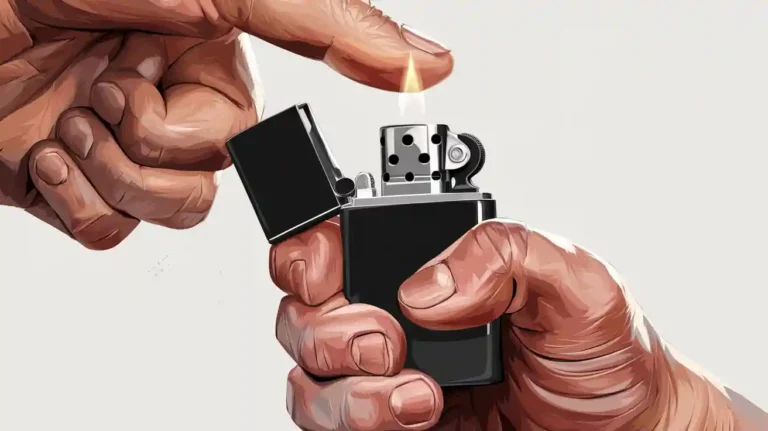
Transfer butane from one torch lighter to another
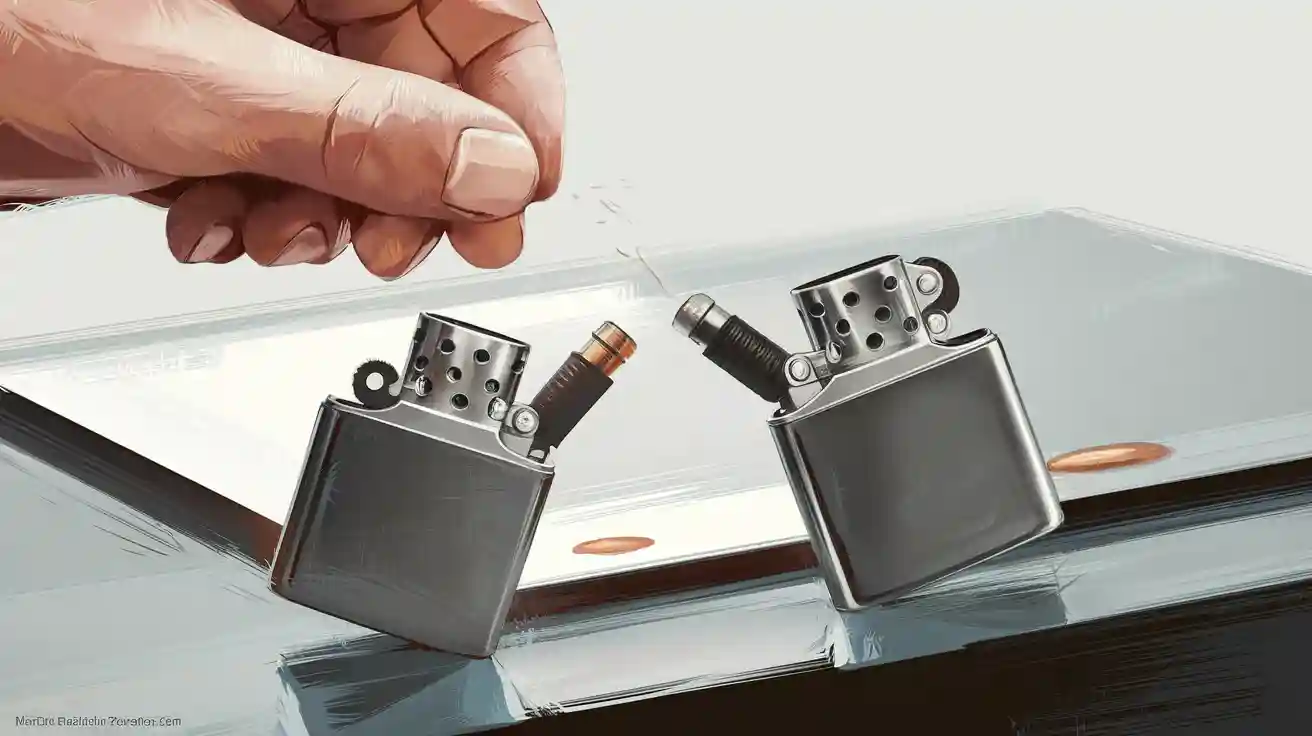
Can you transfer butane from one lighter to another? Yes, you can, but I really do not recommend it! 😬 I have tried it before, and it can get risky fast. When I move butane from one butane lighter to another lighter, I worry about leaks and fire. Here’s what I always remember:
Butane is super flammable.
Lighter parts can break easy.
Even a small mistake can hurt.
Stay safe! I always think twice before I try to transfer butane between lighters.
Can You Transfer Butane?
Is It Possible?
Yes, I can transfer butane from one lighter to another. 😮 I learned that butane stays as a liquid inside the lighter because of pressure. When I open the valve, the butane can move from one place to another. Science says butane has a special way to change between liquid and gas. If I keep the lighters at the right temperature and pressure, the butane will move. I saw that people use this trick to refill lighters or even move butane from a big can to a small butane lighter. The butane does not just run out; it needs a path to go through. I always remember that the butane can leak if I do not do it right. That is why I must be careful.
Here is a simple table to show what happens:
What I Do | What Happens |
|---|---|
Open lighter valve | Butane can move |
Keep pressure steady | Butane stays as liquid |
Make a path for butane | Butane flows to new lighter |
Why People Try It
I see many people want to transfer butane for different reasons. Here are some I found:
They want to use better butane in their lighter. Some butane has bad stuff inside. It can make the lighter smell or taste funny.
Some people want to save money. They use cheap butane from big gas bottles, even if it smells bad.
People want their lighter to last longer. Good butane helps the lighter work better and not get clogged.
Some do not like to throw away lighters. They want to refill and use them again.
I learned that the way I hold the lighter and the can makes the butane flow better. The pressure inside helps push the butane from one lighter to another.
I also see that some people want to avoid soot and keep the flame clean.
💡 Tip: I always check my butane lighter before I try to transfer butane. If I use clean butane, my lighter works better and lasts longer.
I think it is cool to know how butane moves. But I always remember, safety comes first! 🔥
Safety Precautions
Ventilation
I always make sure I have good ventilation when I transfer butane. This is the most important thing for me. If I do not have fresh air, the butane gas can build up. That is very dangerous. I open all the windows in my room. Sometimes, I use a fan to blow the air outside. If I can, I go outside to fill my lighter. I never want to breathe in butane gas. It smells bad and can make me feel dizzy. I also know that butane can catch fire if it stays in the air. I keep away from fire, sparks, or anything hot. Here is what I do every time:
Open windows wide.
Use a fan to move air out.
Go outside if I can.
Stay away from fire or hot things.
Watch for leaks or spills.
🚨 I always remember: Good air keeps me safe from butane gas!
Protective Gear
I wear protective gear when I work with butane and my lighter. I do not want to get butane on my skin or in my eyes. I put on safety glasses to protect my eyes. I wear gloves so the butane does not touch my hands. Sometimes, butane feels very cold and can hurt my skin. I do not wear loose clothes because they can catch on the lighter. I tie back my hair if it is long. Here is my simple gear list:
Safety glasses for my eyes
Gloves for my hands
Tight clothes, no loose sleeves
Hair tied back
😎 I feel safer when I wear my gear. It helps me focus on my butane lighter and not worry about getting hurt.
Workspace Setup
I set up my workspace before I start with butane and my lighter. I pick a flat table so nothing rolls away. I keep my lighters and tools close to me. I put away anything that can burn, like paper or cloth. I make sure my lighter is empty before I start. I keep a small towel to clean up any butane that spills. I never eat or drink near my workspace. Here is a table to show how I set up:
What I Do | Why I Do It |
|---|---|
Use flat table | Lighter does not fall |
Keep tools nearby | Easy to reach |
Remove burn things | No fire risk |
Towel ready | Clean up fast |
No food or drink | Stay safe and clean |
🧑🔬 I always check my workspace before I touch butane. A clean space helps me work better and keeps my butane lighter safe.
Tools for Transfer Butane

When I want to move butane from one lighter to another, I need some tools. These tools help me stay safe and make the job easier. Here are the tools I use:
Tubes and Adapters
I always use a tube or adapter when I transfer butane. The tube connects the two lighters. The adapter helps the tube fit tight. If I do not use a tube, the butane can leak. That is not safe. I like to use a small rubber tube. It bends easy and does not break. Sometimes, I use an adapter from an old butane can. I push the tube on the valve of the first lighter. Then I put the other end on the second lighter. The butane moves through the tube.
💡 Tip: I check the tube for holes before I use it. If the tube leaks, I stop and get a new one.
Here is a table to show what I use:
Tool | What It Does |
|---|---|
Tube | Moves butane safely |
Adapter | Makes tube fit tight |
Tweezers and Pliers
Tweezers and pliers help me hold the lighters. Sometimes, the lighters get cold when I move butane. My hands feel cold too. I use tweezers to hold small parts. I use pliers to hold the lighter steady. This way, I do not drop the lighter. I do not touch the cold metal with my fingers. I feel safe when I use these tools.
Here is how I use them:
I grab the lighter with pliers.
I use tweezers for small parts.
I do not touch the cold lighter with my hand.
🛠️ I always keep tweezers and pliers close when I work with butane.
Flat Surfaces
I always work on a flat surface when I transfer butane. If the table is flat, the lighters do not roll away. I put both lighters on the table. I line them up so the valves face each other. The flat table helps me see if the butane leaks. I can clean up fast if I spill butane. I never use a soft or bumpy place. That is not safe.
Here is my checklist for a good flat surface:
Table is flat and hard.
No bumps or holes.
Easy to clean if butane spills.
Lighters stay in one place.
🧑🔬 A flat table makes my butane transfer safe and easy!
Preparing Lighters
Depressurizing
I always depressurize my lighter before I move butane. This step keeps me safe. If I skip this, the lighter can spray butane everywhere. That is scary! I do not want butane in my face.
Here is how I do it:
I take my lighter outside or near a window.
I hold the lighter upside down.
I press the refill valve with a small tool. Sometimes, I use a pen tip.
I listen for a hissing sound. That means the gas is coming out.
I wait until the sound stops.
⚠️ I never skip this step. I always purge your lighter before I try to refill or transfer butane.
Checking Fuel Levels
I check the fuel level in my lighter every time. I do not want to overfill it. Too much butane can break my lighter. Some lighters have a small window. I look at the window to see the butane inside. If my lighter does not have a window, I shake it. I feel if it is heavy or light.
Here is a table to help me check:
How I Check | What I See or Feel |
|---|---|
Look at window | See butane level |
Shake lighter | Feel if it is heavy/light |
Listen when shaking | Hear liquid moving |
If my lighter feels empty, I know it is ready for more butane. If it feels full, I wait.
Temperature Tips
I use temperature tricks to help butane move better. Cold butane moves slower. Warm butane moves faster. I learned this from my dad. He says, “Warm lighter, happy lighter!”
Here are my tips:
I put the empty lighter in the freezer for 5 minutes. This makes it cold.
I keep the full lighter at room temperature.
When I connect them, the butane moves from warm to cold. It is like magic!
🧊🔥 Cold lighter pulls butane in. Warm lighter pushes butane out. I always use this trick!
I always remember, do not make the lighter too hot. That is not safe. I never use fire or hot water.
Step-by-Step Transfer Butane Guide

Aligning Valves
I always start by making sure the valves are lined up right. If I do not do this, the butane will not go where I want. The refill valve is usually at the bottom of my lighter. I look for a small hole or button. Sometimes, I need a small tool to open it. I check both lighters and make sure the valves are clean. If there is dirt, I wipe it away. I do not want anything to block the butane.
Here is how I align the valves:
I put both lighters on a flat table.
I turn them so the valves face each other.
I use a tube or adapter to help connect them.
I make sure the tube fits tight on both valves.
🧐 If the valves do not line up, the butane will leak or not move at all. I always double-check before I go to the next step.
Connecting Lighters
Now, I connect the lighters so I can transfer butane. This part needs slow hands and good eyes. I hold the empty lighter in one hand and the full lighter in the other. I use tweezers or pliers if the lighters feel too cold. I push the tube onto the valve of the full lighter first. Then, I connect the other end of the tube to the empty butane lighter.
Here is my step-by-step:
I hold the full lighter upright.
I press the tube onto the full lighter’s valve.
I take the empty lighter and press the other end of the tube onto its valve.
I make sure both ends are tight. No gaps!
Sometimes, I need to press the lighters together for a few seconds. I count to five in my head. I watch for any butane moving through the tube. If nothing happens, I check if the valves are open and the tube is not blocked.
😅 I do not rush. If I hurry, I might make a mistake and spill butane everywhere.
Monitoring for Leaks
I always watch for leaks when I transfer butane. Leaks are dangerous. Butane can escape fast and make a mess. It can also catch fire. I use my eyes and nose to check for leaks. If I smell gas or see bubbles, I stop right away.
Here is my leak check list:
I look at the tube and valves for any liquid or bubbles.
I listen for a hissing sound. That means butane is leaking.
I use a little soapy water on the valves. If I see bubbles, there is a leak.
I stop the transfer if I find a leak. I fix the tube or try again.
What I Check | What I Look For | What I Do If I Find It |
|---|---|---|
Tube and valves | Bubbles or liquid | Stop and fix connection |
Smell | Gas odor | Stop and air out the room |
Sound | Hissing noise | Stop and check for leaks |
🚨 If I see or smell butane, I stop right away. Safety is more important than finishing fast.
I learned that if I do not check for leaks, my lighter might not work later. Sometimes, the flame is weak or does not light at all. I always check before I finish the transfer butane process.
Finishing Up
I always finish the butane transfer with care. Here is what I do to make sure my lighter is safe and ready to use:
I take the tube off both lighters. I do this slow so I do not spill butane.
I wipe the valves with a towel. If I see any butane drops, I clean them up.
I check my lighter for leaks again. I use my nose to smell for gas. I look for bubbles if I use soapy water.
I let my lighter sit for a few minutes. This helps the butane settle inside. I do not use the lighter right away.
I press the lighter button outside. I see if the flame is strong. If the lighter does not work, I check the fuel level.
I never overfill my lighter. If I see butane coming out when I press the valve, I stop. Too much butane can break the lighter.
I put away my tools and clean my table. I keep my workspace safe for next time.
Here is a table to help me remember:
Step | Why I Do It |
|---|---|
Remove tube | Stop leaks and spills |
Wipe valves | Clean up butane drops |
Check for leaks | Make sure lighter is safe |
Let lighter rest | Butane settles inside |
Test lighter | See if flame works |
Avoid overfill | Protect lighter from damage |
Clean workspace | Stay safe for next time |
📝 Tip: I always wait before I use my lighter. If I rush, the butane might not work right.
I feel happy when my lighter works after I finish. I know I did the job safe. If my lighter does not light, I check everything again. Sometimes I need to try more than once. I never use fire near my lighter when I finish. I always keep my face away from the lighter when I test it. Safety is the most important thing for me.
🔥 When I finish, I put my lighter in a safe place. I do not leave it in the sun or near heat. My lighter lasts longer when I take care of it.
Troubleshooting
Leaks
Leaks can happen when I move butane from one lighter to another. This is not good. Leaks can make a mess and can be dangerous. I always check for leaks before I finish. Here is what I do if I see or smell a leak:
I stop right away.
I move my lighter away from my face.
I open a window or go outside.
I use a towel to clean up any butane.
I check the tube and valves for cracks or holes.
I try again with a new tube if I need.
🚨 Tip: If I hear a hissing sound, I know butane is leaking. I never use fire near a leak!
Incomplete Transfer
Sometimes, not all the butane moves to my lighter. This can make me feel upset. I want my lighter to work well. Here is how I fix this problem:
I check if the tube is tight on both lighters.
I make sure the empty lighter is cold and the full one is warm.
I press the lighters together for a little longer.
I look at the fuel window to see if butane is inside.
I try again if my lighter still feels empty.
Here is a table to help me remember:
Problem | What I Do |
|---|---|
Not enough butane | Check tube and valves |
Lighter still empty | Try transfer again |
Butane not moving | Use temperature trick |
😕 Sometimes, I need to try two or three times. I do not give up!
Lighter Not Working
If my lighter does not work after I transfer butane, I do not panic. I check a few things first:
I wait a few minutes. Sometimes, the butane needs time to settle.
I press the button outside to test the flame.
I check if I overfilled the lighter. If yes, I let some butane out.
I look for leaks again.
I shake the lighter gently to mix the butane inside.
If my lighter still does not work, I think maybe it is broken. I ask an adult for help or use a new lighter.
🔥 Note: I always keep my face away when I test my lighter. Safety first!
Refilling Butane Lighters Safely
I always want to refill my lighter the safe way. I learned that using a butane refill can is much safer than trying to move butane from one lighter to another. Here is how I do it and what I watch out for every time.
Using Refill Canisters
I use a butane refill can when I refill my lighter. This is the best way for me. The can is made for this job. I follow these steps every time:
I go to a place with lots of fresh air. I open a window or go outside.
I make sure my lighter is cool. I never refill a hot lighter.
I turn my lighter upside down. I find the refill valve at the bottom.
I press the tip of the butane refill can into the valve. I push down hard for about 5 to 10 seconds.
I stop when I hear a hissing sound stop. That means my lighter is full.
I wipe away any butane that spills.
I check for leaks. I listen for hissing or smell gas. If I find a leak, I do not use the lighter.
🛑 I never refill my lighter near fire or anything hot. I always wear gloves and glasses to keep safe.
Here is a table to help me remember:
Step | Why I Do It |
|---|---|
Use fresh air | Keep butane gas away |
Cool lighter | Stop accidents |
Upside down lighter | Fill better |
Press can to valve | Move butane inside |
Stop at no hissing | Avoid overfill |
Wipe and check leaks | Stay safe |
Avoiding Overfill
I do not want to overfill my lighter. Too much butane can break it or make it leak. I always stop when I hear the hissing stop. If I see butane coming out, I stop right away. I use high-quality butane so my lighter works better and does not clog.
Here are my tips to avoid overfilling:
I fill my lighter slow and careful.
I never force more butane inside.
I check the fuel window if my lighter has one.
I stop if I see or smell butane outside the lighter.
💡 If I overfill, I let some butane out by pressing the valve with a small tool.
Letting Gas Stabilize
I always let my lighter rest after I refill it. This helps the butane gas refill settle inside. I wait at least 2-3 minutes before I use my lighter. I do not shake or use it right away. This makes my lighter last longer and work better.
Here is what I do after refilling butane lighters:
I put my lighter on a table.
I wait a few minutes.
I check for leaks one more time.
I test the flame outside, away from my face.
⏳ Waiting helps the butane gas refill work right. My lighter feels safer and stronger.
I always remember, refilling butane lighters with a butane refill can is the safest way. I use good butane, fill slow, and let my lighter rest. My lighter works better and I feel safe every time.
Warnings and Alternatives
Fire Hazards
Transferring butane is very dangerous because it can catch fire easily. 🔥 I always feel scared when I see butane near fire. If I make a mistake, the butane can explode or burn me. Here is what I watch out for:
I never use butane near a candle, stove, or anything hot.
I keep matches and lighters far away when I work with butane.
I do not smoke when I fill my lighter.
I check for sparks from my tools or clothes.
🚨 If butane leaks, it can make a big fire fast. I always stay careful and never rush.
Here is a table to show what can cause fire:
What Can Cause Fire | What I Do to Stay Safe |
|---|---|
Open flame | Work far from fire |
Hot tools | Use cool tools only |
Sparks | Wear safe clothes |
Static electricity | Touch metal before starting |
Health Risks
Butane can hurt my body if I breathe it or touch it. 😷 I learned that butane gas is not safe for my lungs or skin. When I smell butane, I feel dizzy and my head hurts. If butane touches my skin, it feels cold and can burn me. Here is what I do to protect myself:
I always open windows or go outside when I use butane.
I wear gloves so butane does not touch my hands.
I put on safety glasses to keep butane out of my eyes.
I never put my face close to the lighter or butane can.
❗ If I feel sick or my skin hurts, I stop right away and tell an adult.
Legal Issues
Transferring butane between lighters might be against the law in some places. 🛑 I did not know this before, but now I always check the rules. Some countries or cities do not let people move butane from one lighter to another. If I break the law, I can get in trouble or pay a fine. Here is how I stay safe with the law:
I ask an adult or look online for the rules about butane in my city.
I read the instructions from the lighter company.
I do not sell or give butane to other people.
Legal Problem | What I Do |
|---|---|
Breaking the law | Ask about the rules |
Not following rules | Read instructions |
Giving butane away | Never share butane |
📝 I always want to be safe and follow the law. If I am not sure, I do not transfer butane.
Safer Options
Are there safer ways than moving butane from one lighter to another?
Yes, I know some safer options! 👍
I always want to stay safe. I do not want to get hurt or make a fire. Here are the ways I use to keep safe when I need more butane for my lighter:
1. Use a Butane Refill Can
This is the best way for me. The can is made for lighters. I just press the can on the lighter’s valve. The butane goes inside fast. I do not need to use tubes or other lighters. I feel safe when I use the can.
2. Buy a New Lighter
Sometimes, my lighter is old or broken. I just buy a new one. It is easy. I do not need to worry about leaks or fire. New lighters work better and last longer.
3. Ask an Adult for Help
If I do not know what to do, I ask my mom or dad. They know how to use butane. They can help me fill my lighter. I feel better when someone helps me.
4. Use Electric Lighters
I think electric lighters are cool. They do not use butane. I just charge them with a USB. No gas, no leaks, no fire risk. I use my electric lighter when I want to be extra safe.
5. Go to a Store
Some stores fill lighters for me. The workers know how to do it. They have good tools. I just give them my lighter. They fill it fast and safe.
💡 Tip: I always read the lighter’s instructions. The company tells me the best way to fill it. I follow the rules to stay safe.
Here is a table to help me remember my safer options:
Safer Option | Why I Like It 😊 |
|---|---|
Butane refill can | Easy and safe |
Buy new lighter | No risk, works well |
Ask an adult | Get help, feel safe |
Electric lighter | No gas, no fire |
Store refill service | Experts do it for me |
I do not try to move butane from one lighter to another if I can use these safer ways. My hands and face stay safe. My house does not smell like gas. I feel happy when I use the right way.
🚦 Remember: Safety is more important than saving a little money or time. I always pick the safe way, even if it takes longer.
If you want your lighter to work well and last long, use the safe options. I always do! 😃
I do not think moving butane from one lighter to another is a good idea. It feels risky and can hurt me. Here is what I always remember:
I use a butane refill can for safety.
I check rules and read the lighter guide.
I ask an adult if I feel unsure.
I pick safer ways when I can. 😊
Stay safe! My hands and face are important.
FAQ
Can I use any butane to refill my lighter?
No, I do not use any butane.
I pick clean butane for my lighter. Dirty butane can clog my lighter. My flame works better with good butane. I always check the label before I buy.
What should I do if I spill butane?
I stop and clean up right away.
I open a window. I use a towel to wipe the butane. I do not use fire or smoke. I wait until the smell goes away. Safety first! 🧽
Why does my lighter not work after refilling?
Maybe I overfilled it or there is air inside.
I let some butane out. I wait a few minutes. I try again. If it still does not work, I check for leaks or ask an adult for help. 🔥
Is it safe to transfer butane inside my house?
No, I do not think it is safe.
Butane gas can fill the room. It can catch fire. I always go outside or open all the windows. I want to stay safe! 🏠🚫
How do I know if my lighter is full?
I stop when I hear the hissing sound stop.
Some lighters have a window. I look at the window. If butane comes out, I stop. I do not want to overfill. I check with my eyes and ears. 👀👂
Can I use a plastic straw as a tube for transfer?
No, I do not use a plastic straw.
Plastic straws can break or leak. I use a rubber tube or the right adapter. I want my butane to stay safe and not spill everywhere.
What should I do if I feel dizzy after using butane?
I stop and go outside for fresh air.
I tell an adult right away. I do not use butane again until I feel better. Breathing butane is not good for me. 😵💫
Can I refill a broken lighter?
No, I do not refill a broken lighter.
Broken lighters can leak or explode. I throw it away and get a new one. My safety is more important than saving a lighter. 🗑️