Topkay torch lighter instructions
Here’s how I use and refill my Topkay torch lighter:
I prepare everything I need and check for safety. 🔍
I purge the lighter to remove old air.
I refill it with butane, then test the flame. 🔥
I keep it clean and follow all topkay torch lighter instructions.
Safety matters! I always read the instructions and never skip steps. I want my topkay torch lighter instructions to keep me safe and my lighter working well.
Preparation
Materials Needed
Before I begin, I make sure I have all my supplies. Here is a simple list I use to get ready to refill my butane lighter:
Item | Why I Need It |
|---|---|
Topkay torch lighter | The main tool |
Butane refill can | For refilling |
Small screwdriver or tool | For purging air |
Paper towel or cloth | To wipe spills |
Safety gloves (optional) | For extra protection |
📝 Tip: I keep these things together in one place. That way, I do not waste time looking for them when I need to refill my lighter.
Safety Checks
I always put safety first when I use my butane lighter.
Here are the steps I follow before I touch the butane refill can:
I go to a place with lots of fresh air. Good airflow is important.
I check that there are no flames, sparks, or hot things close by.
I turn the flame dial on my butane lighter to “off.”
I look at the lighter for cracks or broken parts. If I see any, I do not use it.
I make sure kids and pets stay away from where I am working.
⚠️ Note: I never refill my lighter near the stove or if someone is smoking. Safety is always the most important thing!
Read Instructions
I always read the Topkay manual before I refill my lighter.
The manual gives me important information about my butane lighter. Some models are a little different from others. I look for pictures or warnings in the manual. If I cannot find my manual, I visit the Topkay website to get a digital copy.
📚 Remember: Reading the instructions helps me not make mistakes and keeps my butane lighter working well.
Now that I have all my supplies, I feel ready and safe to refill my lighter. I know that being careful makes everything easier and safer.
Purging
Why Purge
I always purge my lighter before I refill it.
Purging means I let out any leftover air or gas from inside the lighter. This step is important because old air or leftover butane can block new fuel from going in. If I skip purging, my lighter might not work right, or the flame could be weak. I want my butane lighter to work every time, so I never skip this step.
💡 Tip: Purging helps prevent clogs and keeps the flame strong.
How to Purge
Step-by-Step
Here’s how I purge my Topkay torch lighter before I refill it:
I move to a spot with lots of fresh air. Good airflow keeps me safe.
I let my lighter cool down if I just used it. A cool lighter is safer to handle.
I turn the flame dial to the lowest setting or “off.”
I place the lighter on a flat, stable surface. This keeps it steady.
I grab a small, non-flammable tool, like the wooden end of a matchstick.
I press the refill valve gently with the tool. I listen for a hissing sound as the old gas escapes.
I keep pressing until the hissing stops. Sometimes, I repeat this step a few times to make sure all the air and gas are out.
I use a can of compressed air to blow out any dust or lint from the jet and spark area.
I wipe the lighter with a clean, dry cloth to remove any spills.
🛠️ Note: I never use metal tools to press the valve. Wood or plastic is safer.
Safety Tips
I always work in a well-ventilated area to avoid breathing in gas.
I make sure there are no flames, sparks, or heat sources nearby.
I let the lighter cool before I start purging.
I keep my hands dry and clean.
I keep kids and pets away while I work.
⚠️ Warning: Never purge near open flames or while smoking!
Troubleshooting
Sometimes, purging does not go as planned. Here’s what I do if I run into problems:
Problem | What I Do |
|---|---|
No hissing sound when pressing | I check if the lighter is empty or blocked. I try pressing again with a different tool. |
Gas smell lingers | I move to a more open area and wait longer. I make sure the lighter is fully empty. |
Lighter still won’t fill | I repeat the purge steps. I check for dust or debris in the valve and clean it. |
Flame is weak after refilling | I adjust the flame dial. I make sure I purged all old air before I refill my lighter. |
🧰 Tip: If my lighter still does not work after purging and refilling, I check the manual or contact Topkay support.
Refilling

Butane Selection
I always choose high-quality butane when I refill my lighter. This makes a big difference in how well my butane lighter works and how long it lasts. Here’s what I look for:
I pick butane with high purity. This helps my lighter burn clean and strong.
I use a butane refill can with an extended nozzle. It makes refilling easy and less messy.
I make sure to drain any leftover fuel before I add new butane. This keeps my lighter from getting clogged.
I let the fuel reach room temperature after I refill. This helps my lighter work smoothly.
I adjust the flame setting after refilling to get the best performance.
🔥 Tip: High-quality butane keeps my butane lighter working safely and reliably. Low-quality fuel can cause blockages or weak flames.
Refilling Steps
Positioning
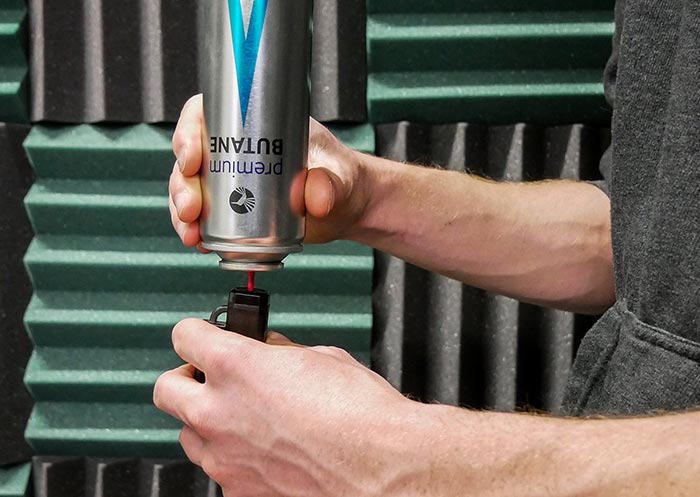
I always turn my butane lighter upside down before I start to refill. This helps keep air out of the tank and makes sure only butane goes in. I hold the lighter steady on a flat surface so I don’t spill or drop it.
Filling Process
Here’s how I refill my lighter step by step:
I shake the butane refill can 5-6 times. This mixes the butane and makes the refill smoother.
I insert the nozzle of the butane refill can firmly into the refill valve on the bottom of my lighter. Sometimes, I use an adapter if the nozzle doesn’t fit.
I press down in short bursts—about 2-3 seconds each. I do this 3-4 times until the tank feels full.
I listen for a hissing sound. If I hear it or see a little gas escape, I know the tank is full. Some gas leakage is normal, so I don’t worry if I see a small puff.
I always keep the flame dial turned off while I refill my lighter.
🛑 Note: I never overfill. If butane leaks out or the lighter feels cold, I stop right away.
Duration
I spend about 10-15 seconds total to refill my lighter. Each burst is short, and I pause between them. This helps prevent overfilling and keeps my butane lighter safe.
After Refilling
After I refill my lighter, I wait at least 5 minutes before I use it. This gives the butane time to reach room temperature and settle inside the tank. If I try to use it too soon, the flame might be weak or the lighter might not work right.
I check for leaks by holding the lighter away from my face and listening for any hissing.
I wipe off any extra butane with a paper towel.
I adjust the flame dial to my preferred setting before I test the lighter.
⏳ Tip: Patience pays off! Waiting a few minutes after you refill your lighter helps it work better and keeps you safe.
Testing
Leak Check
I always check for leaks after I refill my Topkay torch lighter. This step keeps me safe and helps my lighter work right. Here’s how I do it:
I hold the lighter away from my face and ears.
I listen for any hissing sound.
If I hear hissing, I know gas is leaking.I look for bubbles or a strong butane smell.
Sometimes, I use a little soapy water on the refill valve. If bubbles form, there’s a leak.
🛑 If I find a leak, I stop using the lighter right away. I move to fresh air and let the lighter sit until the gas is gone. I never try to fix a leaking lighter myself.
Ignition
I test the ignition to make sure my lighter works. This part is simple, but I always stay careful.
I turn the flame dial to a low or medium setting.
I press the ignition button.
The lid pops open, and I see a spark.I watch for a steady blue flame.
If the flame is weak or sputters, I know something is wrong.
🔥 Tip: If the lighter does not spark, I check if the tank is full and the dial is set right. Sometimes, I need to wait a bit longer after refilling.
Adjusting Flame
Using the Dial
I use the twist dial to set my flame height. The dial sits at the bottom or side of my Topkay torch lighter. Here’s what I do:
I turn the dial clockwise to make the flame higher.
I turn it counterclockwise to make the flame lower.
I adjust slowly and watch the flame each time.
Dial Direction | Flame Height | When I Use It |
|---|---|---|
Clockwise 🔄 | Higher 🔥 | Lighting cigars, candles |
Counterclockwise 🔁 | Lower 🔥 | Soldering, small tasks |
🛠️ Note: I never set the flame too high. A big flame can be dangerous and waste fuel.
Recommended Size
I keep my flame about 1 inch tall for most jobs. This size works well for lighting candles, cigars, or doing small repairs. If I need a smaller flame, I turn the dial down. If I need more heat, I turn it up just a little.
Too high: The flame gets wild and hard to control.
Too low: The lighter might go out or not light at all.
👍 Best practice: I always start with a low flame and adjust up if I need more power.
Troubleshooting
Sometimes my Topkay torch lighter just won’t cooperate. I know how frustrating that can feel! Here’s what I do when my lighter won’t ignite or the flame acts up:
Common Problems and Quick Fixes
No flame or won’t ignite:
I check if the butane tank is empty. If it is, I refill it.
I make sure the flame dial isn’t set too low or too high. Sometimes, a tiny adjustment fixes everything.
I look at the igniter. If it’s dirty, I clean it gently with a bit of sandpaper or a cotton swab.
I check for a spark when I press the button. No spark means the igniter might need cleaning or replacing.
Flame only works at certain angles:
I hold the lighter upright. If it only lights when tilted, air might be trapped inside. I purge the lighter again to release any air bubbles.
Weak or sputtering flame:
I adjust the flame dial slowly. Sometimes, the flame just needs a little boost.
I clean the burner with compressed air. Dust or lint can block the fuel flow.
I make sure I waited at least five minutes after refilling. Cold butane can cause a weak flame.
No butane comes out, but I see a spark:
I check for clogs in the burner. I use a toothpick or compressed air to clear any blockages.
I make sure the safety lock isn’t on. Sometimes, I forget to unlock it!
Gas smell or hissing sound:
I stop using the lighter right away. I move to fresh air and let the lighter sit until the gas is gone.
My Troubleshooting Table
Problem | What I Do First | Extra Steps if Needed |
|---|---|---|
No flame or spark | Refill butane, check dial | Clean igniter, replace flint |
Weak/small flame | Adjust dial, wait after refill | Clean burner, use high-quality butane |
Only lights at angle | Purge lighter again | Hold upright, check for trapped air |
Gas smell or leak | Stop, move to fresh air | Let lighter sit, don’t use |
Clogged burner | Clean with compressed air | Use toothpick, check for debris |
💡 Tip: I always keep a can of compressed air and a small tool handy. These help me fix most problems fast.
Extra Tricks I Use
If the igniter wire looks dirty, I gently rub it with sandpaper.
For stubborn clogs, I use tweezers to pull out lint or debris.
If nothing works, I check the Topkay manual or look up a video guide online.
Most of the time, these steps get my Topkay torch lighter working again. If I still have trouble, I reach out to Topkay support or consider replacing worn parts. I never try to fix a leaking lighter myself. Safety always comes first! 🔥🛠️
Maintenance
Cleaning
I clean my Topkay torch lighter regularly to keep it working its best.
A clean lighter gives me a strong, steady flame every time. Dirt and dust can block the burner or make the igniter weak. I like to clean my lighter about once a month, or whenever I see it getting dirty.
Here’s how I clean my lighter:
I turn off the flame dial and make sure the lighter is cool.
I use a soft brush or a can of compressed air to remove dust from the burner and ignition area.
I wipe the outside with a dry cloth. If I see sticky spots, I use a little rubbing alcohol on a cotton swab.
I check the refill valve for lint or debris. I use a toothpick or a soft brush to clear it out.
I never use water or soak my lighter. Water can damage the inside parts.
🧹 Tip: I keep a small cleaning kit with my lighter supplies. It makes cleaning quick and easy.
Storage
I always store my Topkay torch lighter in a cool, dry place.
Proper storage keeps my lighter safe and ready to use. Heat and sunlight can cause butane to expand or leak. Moisture can rust the metal parts.
Here’s my storage checklist:
I pick a spot away from direct sunlight and heat sources.
I keep my lighter out of bathrooms or damp places.
I store it in a drawer or a box, away from sharp objects.
I make sure kids and pets can’t reach it.
Storage Spot | Safe? | Why or Why Not? |
|---|---|---|
Kitchen counter | ❌ | Too close to heat and flames |
Desk drawer | ✅ | Cool, dry, and out of sight |
Car glove box | ❌ | Gets hot in the sun |
Toolbox | ✅ | Safe if kept dry and closed |
🔒 Note: I always lock up my lighter if I have kids at home.
Replacing Parts
I replace worn parts on my Topkay torch lighter to keep it working like new.
Sometimes, the igniter or the burner gets old or stops working. I don’t want to struggle with a weak flame or a lighter that won’t spark.
Here’s what I look for:
The igniter doesn’t spark, even after cleaning.
The flame stays weak, even with fresh butane.
The refill valve leaks or feels loose.
If I notice these problems, I check the Topkay manual for part numbers. I order replacements from the Topkay website or a trusted store. I follow the instructions to swap out the old part for the new one.
🛠️ Tip: If I’m not sure how to replace a part, I watch a video guide or ask Topkay support for help. I never force a part that doesn’t fit.
Regular cleaning, safe storage, and replacing worn parts keep my Topkay torch lighter working great. I like knowing my lighter is always ready when I need it!
Preventing Issues
I prevent most problems with my Topkay torch lighter by following a few simple habits. 🛡️
I want my lighter to work every time I need it. Here’s what I do to keep it running smoothly and avoid headaches:
I always use high-quality butane. Cheap fuel can clog the burner or make the flame weak. I stick with trusted brands.
I never overfill the tank. Too much butane can cause leaks or make the lighter hard to ignite. I stop filling as soon as I see a little gas escape.
I keep the lighter clean. Dust and lint love to hide in the burner. I use a soft brush or compressed air to clear it out every month.
I store my lighter in a safe spot. Heat and sunlight can damage it. I pick a cool, dry drawer or toolbox.
I check the flame dial before every use. If the dial is set too high, the flame gets wild. If it’s too low, the lighter might not light at all.
I purge the lighter before every refill. Old air or leftover gas can block new butane. Purging keeps the fuel flow strong.
I let the lighter rest after refilling. I wait at least five minutes before I try to use it. This helps the butane settle and prevents weak flames.
I never use my lighter if I smell gas. If I notice a leak, I move to fresh air and let the lighter sit until the smell is gone.
💡 Tip: I keep a small kit with butane, a brush, and a cloth. This makes it easy to clean and refill my lighter whenever I need.
Here’s a quick table I use to remind myself of the best habits:
Habit | Why I Do It | Result |
|---|---|---|
Use good butane | Prevents clogs | Strong, clean flame |
Don’t overfill | Avoids leaks | Safe, easy ignition |
Clean monthly | Removes dust/lint | Reliable performance |
Store safely | Stops damage | Longer lighter life |
Purge before refill | Clears old air/gas | Smooth refilling |
Wait after refilling | Lets butane settle | Steady flame |
By sticking to these habits, I avoid most lighter problems before they start. I spend less time fixing issues and more time enjoying a reliable flame. 🔥
Topkay torch lighter instructions: Safety
Handling
I always handle my Topkay torch lighter with care. Safety comes first for me every time I use it. Here are my top safety habits:
I keep my hands dry and clean before I pick up my lighter.
I never point the flame at myself or anyone else.
I only use my lighter in open, well-ventilated spaces.
I turn the flame dial off when I finish using it.
I check for cracks or leaks before every use.
🔥 Tip: I never leave my lighter near anything that can catch fire, like paper or fabric.
I follow these topkay torch lighter instructions every time. They help me stay safe and keep my lighter working well.
Emergency Steps
If something goes wrong, I act fast. Here’s what I do if I notice a butane leak or an accident:
I stop using the lighter right away.
I move to fresh air. I never stay in a closed room with leaking gas.
I keep the lighter away from flames or sparks.
I let the lighter sit until all the gas is gone.
If butane gets on my skin, I wash it off with soap and water.
If I feel dizzy or sick, I ask for help or call emergency services.
Problem | What I Do First | Next Steps |
|---|---|---|
Butane leak | Move to fresh air | Let lighter air out |
Fire or burn | Put out flames safely | Cool burn, seek help |
Gas on skin | Wash with soap and water | Watch for irritation |
🚨 Note: I never try to fix a leaking lighter myself. If I have any doubts, I ask an adult or contact Topkay support.
Child Safety
I keep my Topkay torch lighter far away from children. I know that even the best safety features are not perfect. Here’s what I learned from real cases and reports:
Some lighters have child-resistant latches, but kids can remove them.
Bright colors and shiny finishes attract children.
Kids often hide to play with lighters, even when adults are nearby.
Many fires started by children under age 5 involve torch lighters.
Supervision alone does not always work. Kids find ways to reach lighters, even when I think they are out of reach.
Some tools are made to remove child safety latches, which makes lighters even less safe.
I always follow these rules:
I store my lighter in a locked drawer or box.
I choose lighters with strong, non-detachable child safety features.
I avoid buying lighters with bright colors or cartoon designs.
I talk to kids about fire safety and explain why lighters are not toys.
🧒 Important: I never leave my lighter where a child can see or reach it. Real stories show that even a few seconds can lead to serious accidents.
I take child safety seriously every time I follow topkay torch lighter instructions. I want everyone in my home to stay safe.
Here’s what I always remember when I follow topkay torch lighter instructions:
I gather my supplies and check for safety. 🧤
I purge, refill, and test my lighter. 🔥
I clean and store it the right way. 🧹
I never skip safety steps.
Staying careful means my lighter works great every time. I hope you enjoy using yours as much as I do!